Understanding the natural world
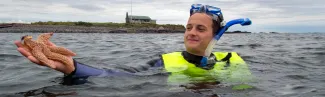
The UNE School of Marine and Environmental Programs can lead you to your career goals by helping you gain a deeper understanding of natural and human systems, and how these interconnect. Our interdisciplinary approach focuses on understanding the natural world — and the relationship of humans with that world — in ecosystems ranging from mountain forests to the open ocean, and everything between. Your learning will feature hands-on work in the field, on boats, in state-of-the-art laboratories, and in internships at far-flung places.
The faculty support has shaped my experience and is why I have so many phenomenal things going on. With their collective expertise, I have been able to carry out cutting-edge research that I know will have an impact.”
— Katie Dimm ’22
Global Education
See the World
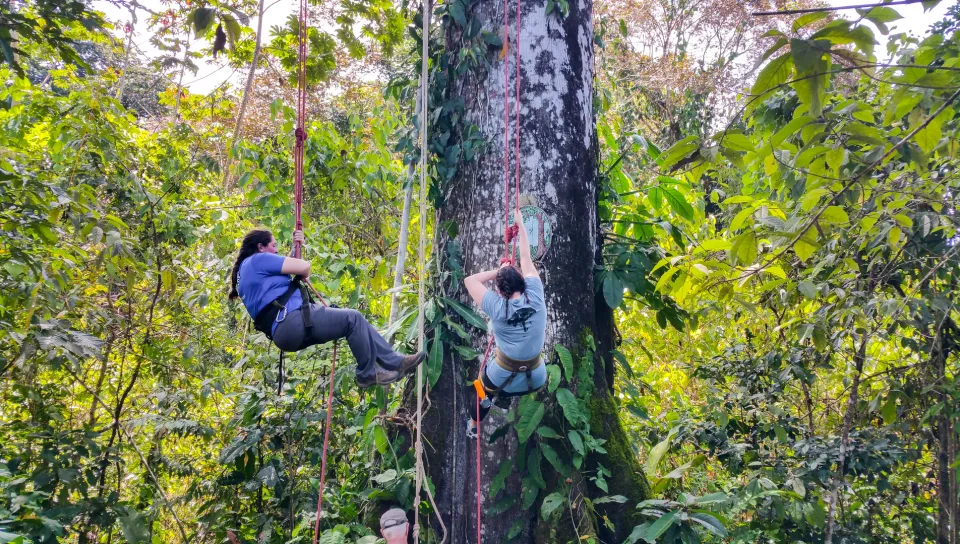
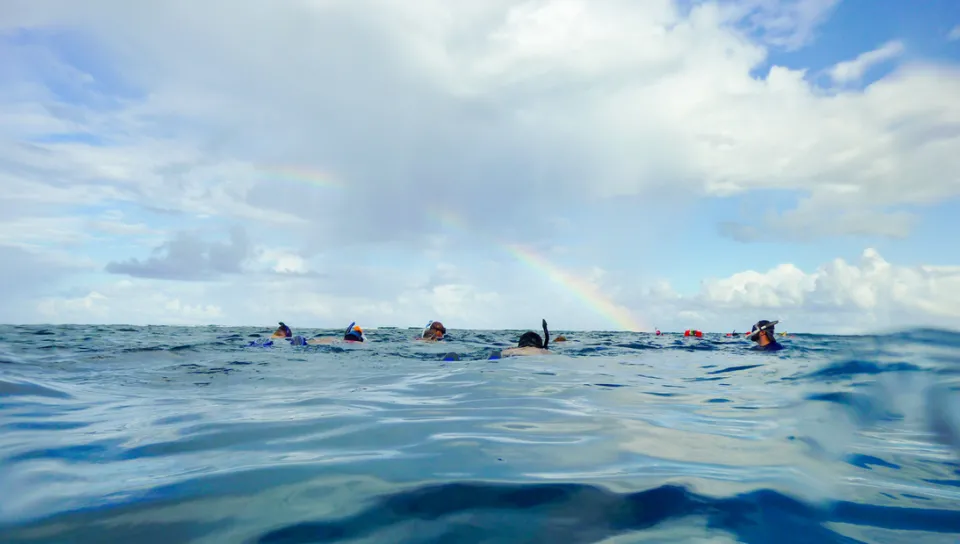
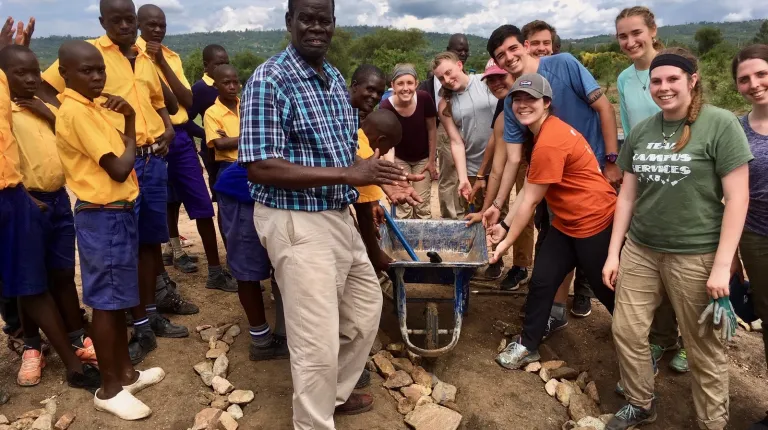
Explore the four corners of the world by taking part in UNE’s Global Education Programs. Travel courses will take you snorkeling in the lagoons of Belize, exploring Viking history in Iceland, ziplining through the rainforests of Costa Rica, or getting up close and personal with tortoises, penguins, and iguanas on the Galapagos Islands. Other destinations include Azores, Panama, and Italy. If you’re interested in a semester-long immersion experience, we offer programs in Spain, Iceland, Norway, Finland and Morocco.
Interested in studying abroad? Make a plan with your advisor.


Beautiful Location
As a student in our School of Marine and Environmental Programs, you study on UNE's scenic Biddeford Campus, where the waters of the Saco River flow into the Atlantic Ocean. Recently named the youngest city in Maine, Biddeford and its twin city, Saco, boast an up-and-coming, hip downtown offering delicious eateries, exciting social and cultural events, and more. With the transformation of the old mills into restaurants, breweries, housing, and retailers, there is something for everyone to explore.