
Center for Global Humanities presents “Who Gets to Be Native in America?”
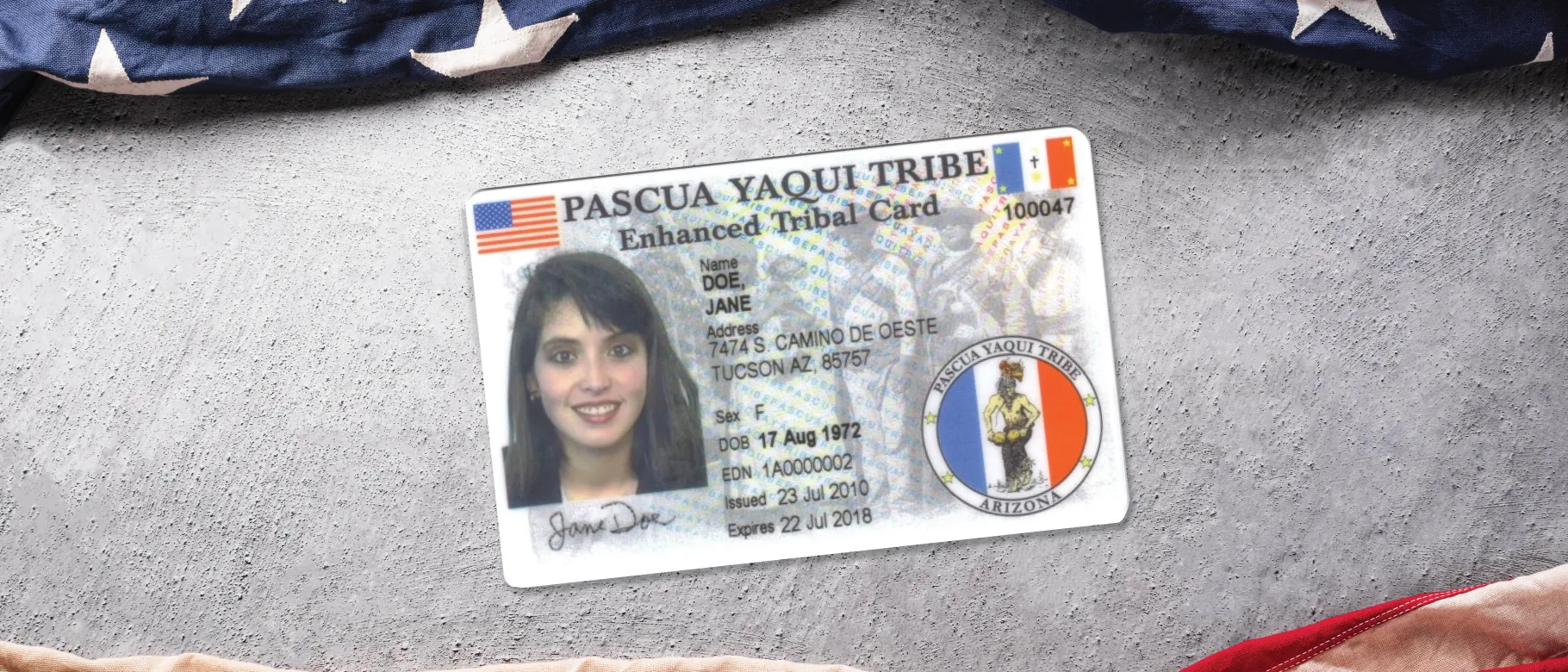
What happens when rules around Native identity — many of which were created by a U.S. government intent on wiping out Native people altogether — inhibit Native Americans from creating successful, sustainable communities?
This is the topic scholar Carrie Lowry Schuettpelz will take up when she visits the Center for Global Humanities to present a lecture titled “Who Gets to Be Native in America?” on Monday, March 23, at 6 p.m. at Girard Innovation Hall on the University of New England’s Portland Campus for the Health Sciences.
Schuettpelz will draw from her critically-acclaimed book “The Indian Card: Who Gets to Be Native in America” to offer a brief history of Native tribal enrollment and identity, and explain how that history is still shaping Native America today.
Schuettpelz is an enrolled member of the Lumbee Tribe of North Carolina. She serves as director of the Native Policy Lab at the University of Iowa. Previously, she spent seven years working in the Obama Administration on issues of homelessness and Native policy. She holds an Master of Fine Arts in creative writing from the University of Wisconsin-Madison and a Master in Public Policy from Harvard’s Kennedy School of Government.
The New Yorker called “The Indian Card,” a “genre-bending work of reportage, memoir, and history... an admirably questing, ranging book," while People magazine opined, “The voice is pitch-perfect, there is not one wrong word, and it is written with so much grace and elegance and honesty.”
This will be the fifth of seven events this spring at the Center for Global Humanities, where lectures are always free, open to the public, and streamed live online. For more information, please visit: www.une.edu/cgh/events