

Retired professor Pam Morgan sits down with UNE Magazine to reflect on her 35-year career educating the next generation of environmental researchers.
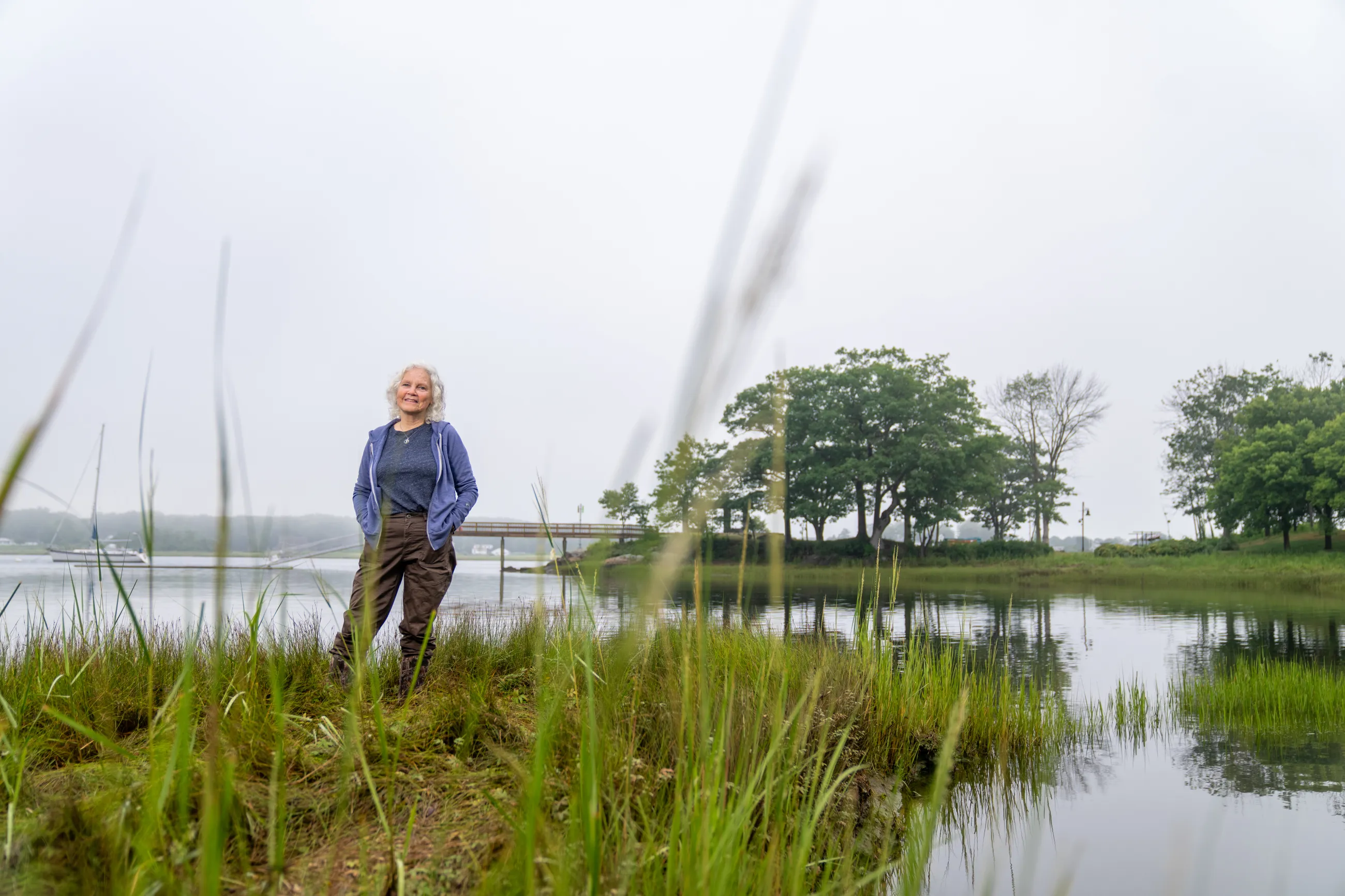
For over 35 years at UNE, Professor Pam Morgan, Ph.D., inspired a Rachel Carson-esque sense of wonder in her students, encouraging them to leave their books behind in favor of pulling on worn waders, lathering on DEET, and getting outside, where she says true learning for budding environmental scientists takes place.
While fieldwork is not always glamorous — it rarely is, she said — Morgan’s immersive ethos to environmental stewardship has guided students to careers at agencies including the U.S. National Park Service, U.S. Army Corps of Engineers, the National Oceanic and Atmospheric Administration, and more, as well as land trusts, state agencies, and nonprofit organizations closer to home that safeguard the woods and waters of New England’s natural ecosystems.
Having retired at the end of the 2025–26 academic year, Morgan reflected on her career as a dedicated scientist, educator, and conservationist — and the many lives she has touched along the way.
What’s your proudest moment preparing students for their careers?
I am most proud of having contributed to a positive and meaningful college learning experience for my students. I have heard from so many alumni about how much they valued their experience in the environmental program at UNE. They talk about the sense of community we all shared; our common, deep connections to nature; how they learned to think differently about their place in the world; and how best to solve environmental problems, including that many perspectives are needed for this work. And how much fun we had!
What can’t be taught inside a classroom?
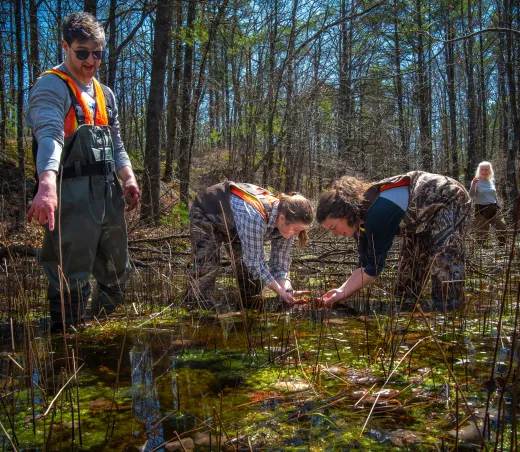
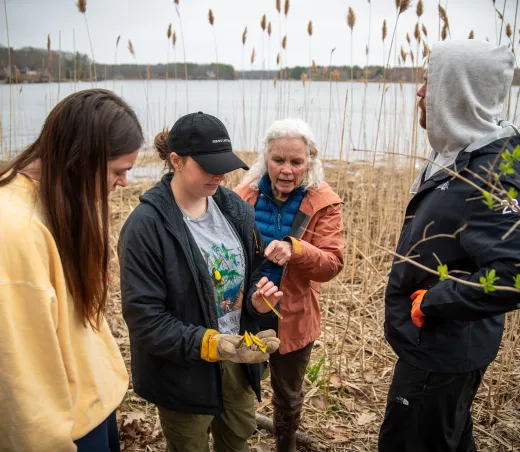
There is so much that students learn in the field outside the regular classroom walls: field skills, including how to identify and survey plants, animals, and soils, and how to navigate in the woods, observe closely, and collect accurate data. But just as importantly, they learn how to work as part of a team to get the accurate information needed for a project and how to stay safe in the field. Also, our fieldwork often involved communicating with local conservation organizations.
How has UNE’s natural landscape on the Biddeford Campus impacted students’ learning?
We are so fortunate at UNE to be located in such a beautiful natural area, with the Saco River, 363 acres of forest, and the Atlantic Ocean all within a short walk. There are salt marshes, red maple swamps, vernal pools, oak-pine forests, rocky intertidal areas, sand dunes, and many other habitats. Students study these habitats, but they also enjoy simply spending time in nature with their friends, and that is something they will remember forever.
How does fieldwork shape students’ futures?
So many students have told me that what we do at UNE is not commonly done at other colleges. Our courses’ significant field experiences give students a list of skills for their resumes and the confidence to apply them.
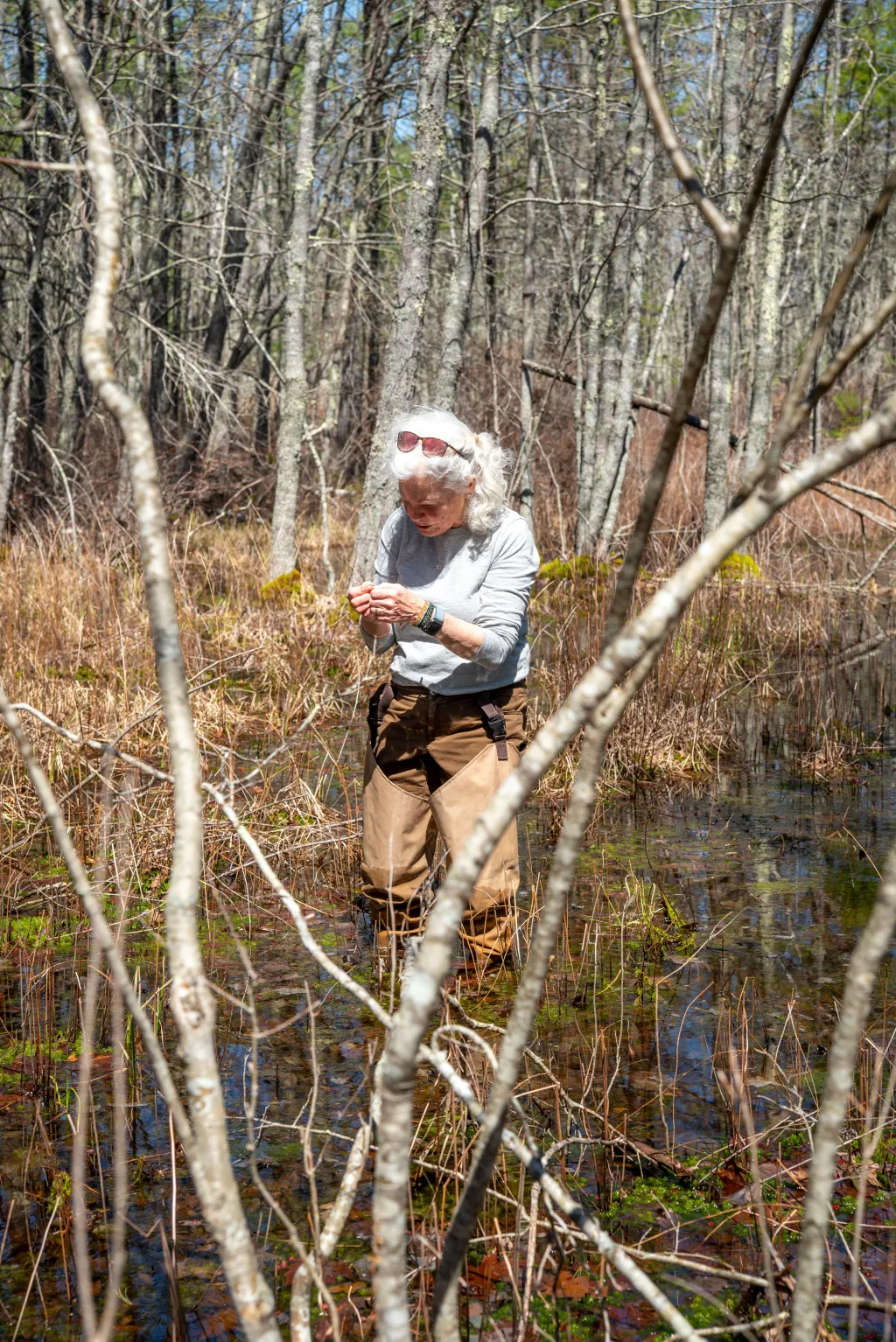
I see it firsthand. Many former students are using the skills and knowledge they learned in our campus habitats in their careers: surveying vernal pools, identifying marsh plant species and invasive species, analyzing field data, and conducting long-term monitoring studies. It is rewarding to hear about their success in finding that first job and to see them come back to visit the classroom, return to UNE as guest speakers, or join us on field trips.
What’s the value of real environmental work over a classroom exercise?
There is no shortage of “real” projects for environmental students to work on. Being an environmental major is hard. You quickly learn about the depth of humans’ negative impacts on nature and how those impacts affect humans in turn. It can be very depressing.
But if students help mitigate these impacts or assist a community to be more resilient while restoring and protecting nature, they feel less hopeless. They realize they can make a positive difference, especially when working with others. Students also see how grateful people are for their help and expertise. That leaves them feeling empowered to keep contributing to positive change.
Is there a particular moment that captures what fieldwork can do for students?
There are so many it is hard to choose. But I think of the seniors who’d tell me every job they applied for required one to two years of experience. I’d ask them about all the experience they had gained at UNE, including field-based data analysis and writing skills. I’d have them think about specific projects they worked on and encourage them to write about those projects in their cover letters.
Students often say they had never realized how much real experience they had! One student this past spring was thrilled to be offered a job right after graduation helping to restore Maine’s rivers and streams.
What advice would you give students as they seek a career?
The students I have taught in the environmental program have come to UNE with a love of nature and a desire to do something good in the world. The challenge is turning this passion into something they can do for the rest of their lives, ideally as part of their careers.
It’s clear that getting good grades alone won’t make them stand out when they are applying for jobs. They must add experience through specific coursework, internships and volunteering, research opportunities, or clubs and campus activities. They should also talk about their experience in cover letters and interviews.
But I’d also advise students to remember that, no matter where they are, nature is close by, and that spending time in nature is good for the soul.