

Breaking Down Silos in Health Care
by Jen A. Miller, freelance writer
Olivia Franceschelli, M.S.O.T. ’19, first saw the value in occupational therapy when her younger brother, Joseph, was diagnosed with brain cancer at two-and-a-half years old.
“He was receiving physical and occupational therapy at home, and I remember thinking at the time, ‘Oh, that’s cool; these adults are coming over to just play games with kids,’” she said. “I didn’t yet understand the deeper purpose behind it all.”
She was only seven years old at the time, but that feeling stuck with her, even after her brother passed away about a year after his diagnosis.
“I’ve seen how medicine not only helped him, but also my family,” she said. “It’s not always about the person going through it. It’s also about how it is affecting everybody.”
It might have happened when she was a child, but that feeling of comfort and care has infused her practice still today.
“It’s my North Star in a way,” she said. “It’s what led me here.”
Franceschelli initially wanted to be a doctor or nurse, but after earning a biology degree and working as a clinical research coordinator at Brigham and Women’s Hospital in Boston, she found herself inspired by the occupational therapists she had met as a child. She reconnected with an OT from her brother’s treatment team, who told her it was a wonderful field.
Franceschelli agreed.
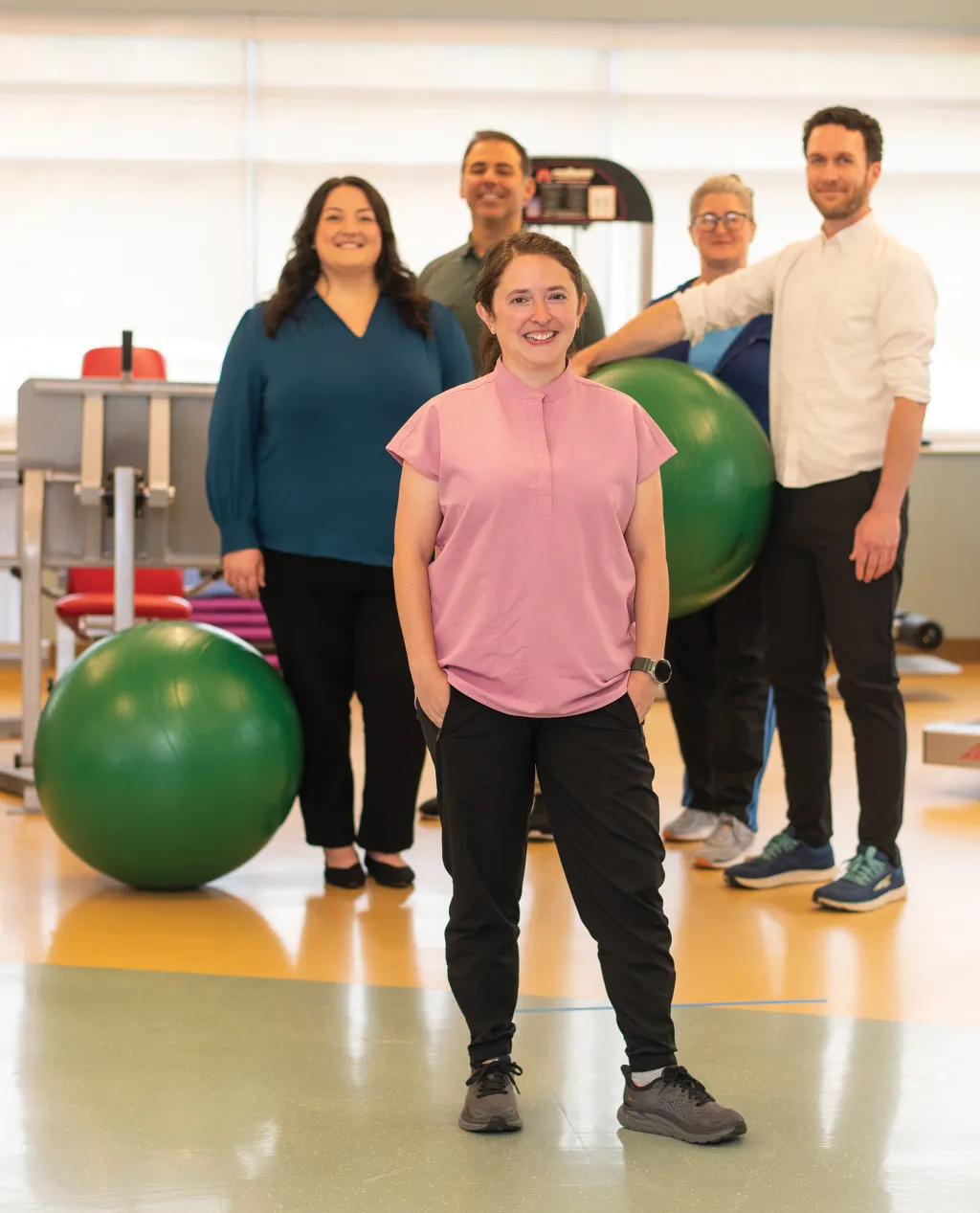
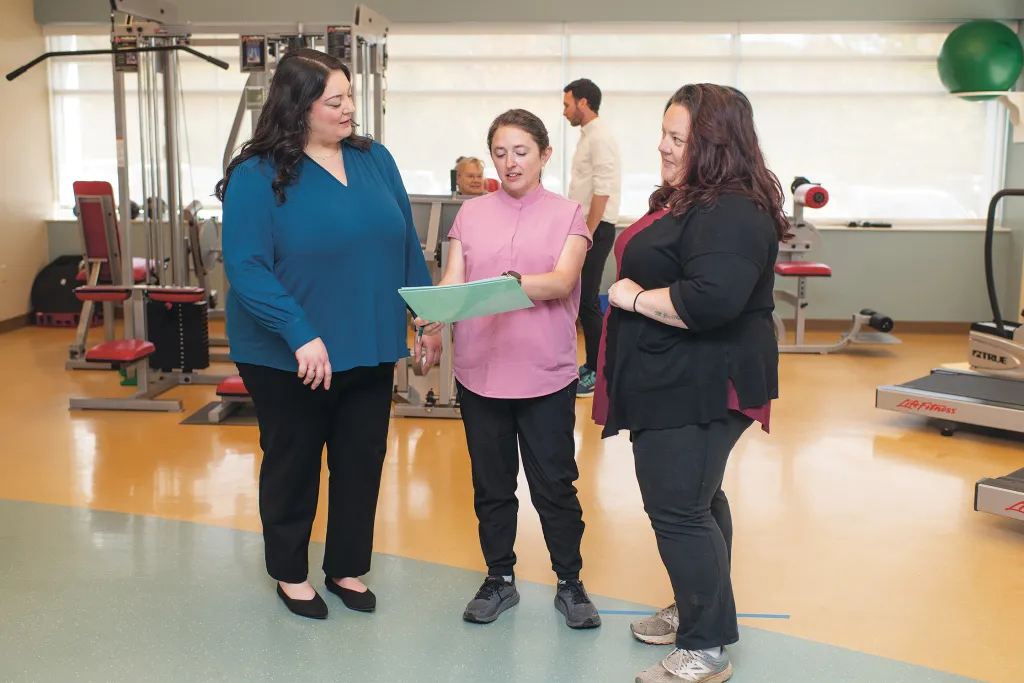
After earning her Master of Science in Occupational Therapy (M.S.O.T.) from UNE, she’s now an occupational therapist in the functional restoration program at Dartmouth Hitchcock Medical Center (DHMC), New Hampshire’s largest hospital, where she works with a cross-disciplinary team to help people work through chronic pain to restore function to their daily lives.
But working collaboratively across disciplines is not new for Franceschelli.
While a student in the OT program in UNE’s Westbrook College of Health Professions, she was part of a supervised interprofessional student pain clinic at what is now the Northern Light Mercy Pain Center in Portland, which was offered through what is now the Center to Advance Interprofessional Education and Practice. The clinic included two students from each of UNE’s Occupational Therapy, Social Work, and Doctor of Osteopathic Medicine degree programs; one student from each of the Doctor of Physical Therapy and Doctor of Pharmacy programs; and a social work clinician from UNE.
Together, they read through a patient’s case, added their individual professions’ perspectives, and worked as a team to create a treatment plan. Working with people across health care fields, Franceschelli learned how to meld different specialties for improved patient care.
“I started to learn how to interact with different professions. We all have different skill sets,” she said, explaining that, while a physician recommends a new medication and an OT considers its effects on occupational and daily routines, the team decides together how to proceed.
Through interprofessional education at UNE, she became “more confident in knowing how to approach more challenging conversations,” she said. “I’m also making sure I’m seeing everybody through their own lens, and where they’re coming from.”
After graduating, Franceschelli started her career in long-term acute care, where she collaborated most often with physical therapists and speech therapists. But Franceschelli knew she wanted to work with patients who had chronic pain, which led her to DHMC. There, Franceschelli sees patients with chronic neck and low-back pain in her own occupational therapy clinic.
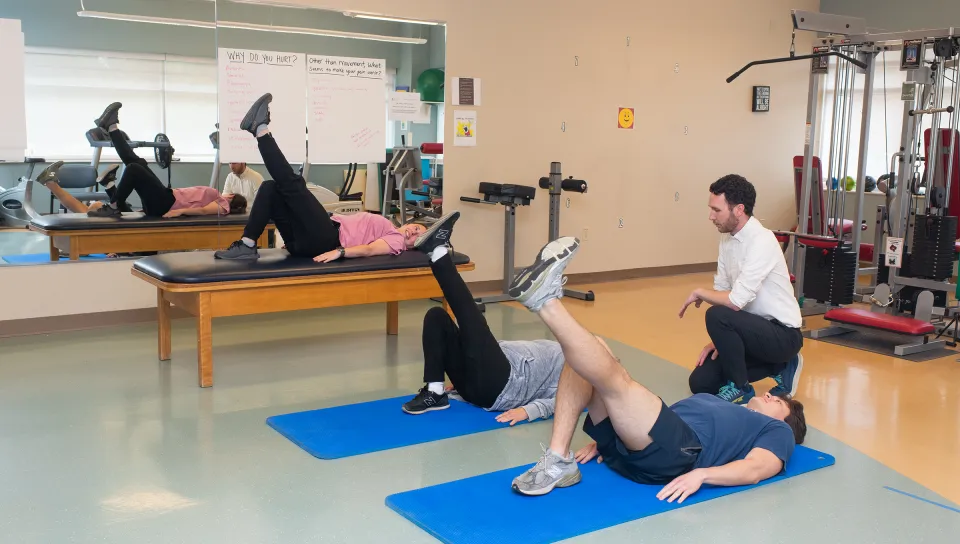
She’s also part of the hospital’s functional restoration program, which brings together a team of occupational therapists, physical therapists, social workers, a pain psychologist, and nurse practitioners for a more intensive approach to chronic pain.
The patients, who are mostly retirees with chronic pain and people who were injured at work, come to the clinic to focus on building body awareness, learning strategies to improve function, and reducing pain. They work on the physical aspect of pain, but they also address the mental consequences pain can bring; even after their injuries have healed, many patients may be afraid of pain and adapt their movements to avoid potentially injuring themselves again.
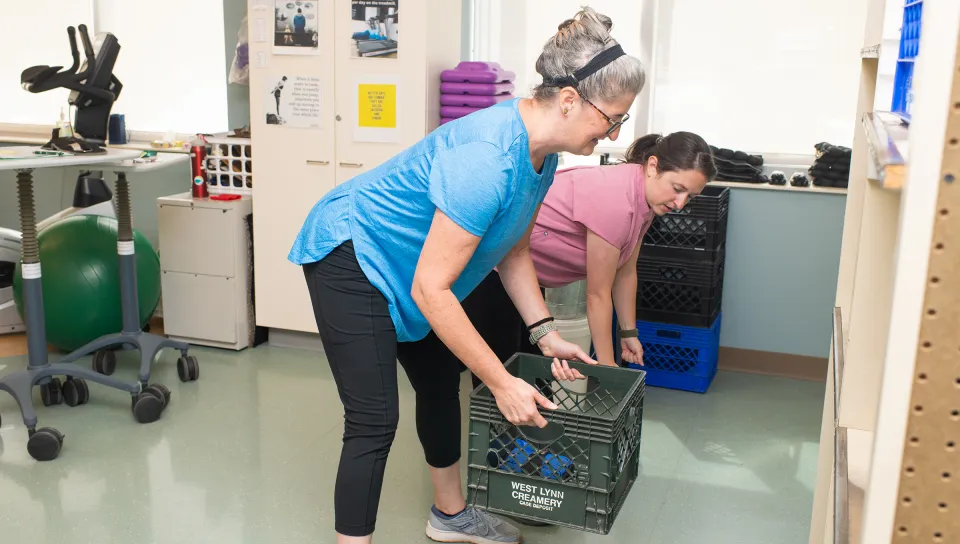
“A common thing that we do in our day-to-day life is bending forward to reach for an object,” Franceschelli said. “For a lot of patients who have low-back pain, that is a movement they tend to avoid.”
Helping a patient bend and lift combines movement training with pain neuroscience education and cognitive strategies to reduce fear and build confidence in movement.
The program’s interprofessional format means that Franceschelli and her colleagues can see real change in as few as four weeks.
“It’s pretty cool to watch somebody who was afraid to lift 10 pounds in a crate go to lifting 40 to 50 pounds without even thinking about it,” she said.
The approach is effective not just because of how many people are working with each patient, but also in the way that the patient can also see the process as it works. Team members consult with the program’s nurse practitioners and meet with patients directly to provide care and support rather than just offering input from a distance.
“We’re (all) in the gym together and make it a very collaborative experience,” she said.
Franceschelli’s UNE experience not only led her to want to work on an interprofessional team, she said, but it also has been a reminder of — despite how many professionals from across how many fields come together to collaborate on a patient’s treatment — who the star player is.
“The patient is the most important person on that team,” she said. “They’re doing exercises guided by our team, but each patient is also working toward personal goals they’ve set themselves.”
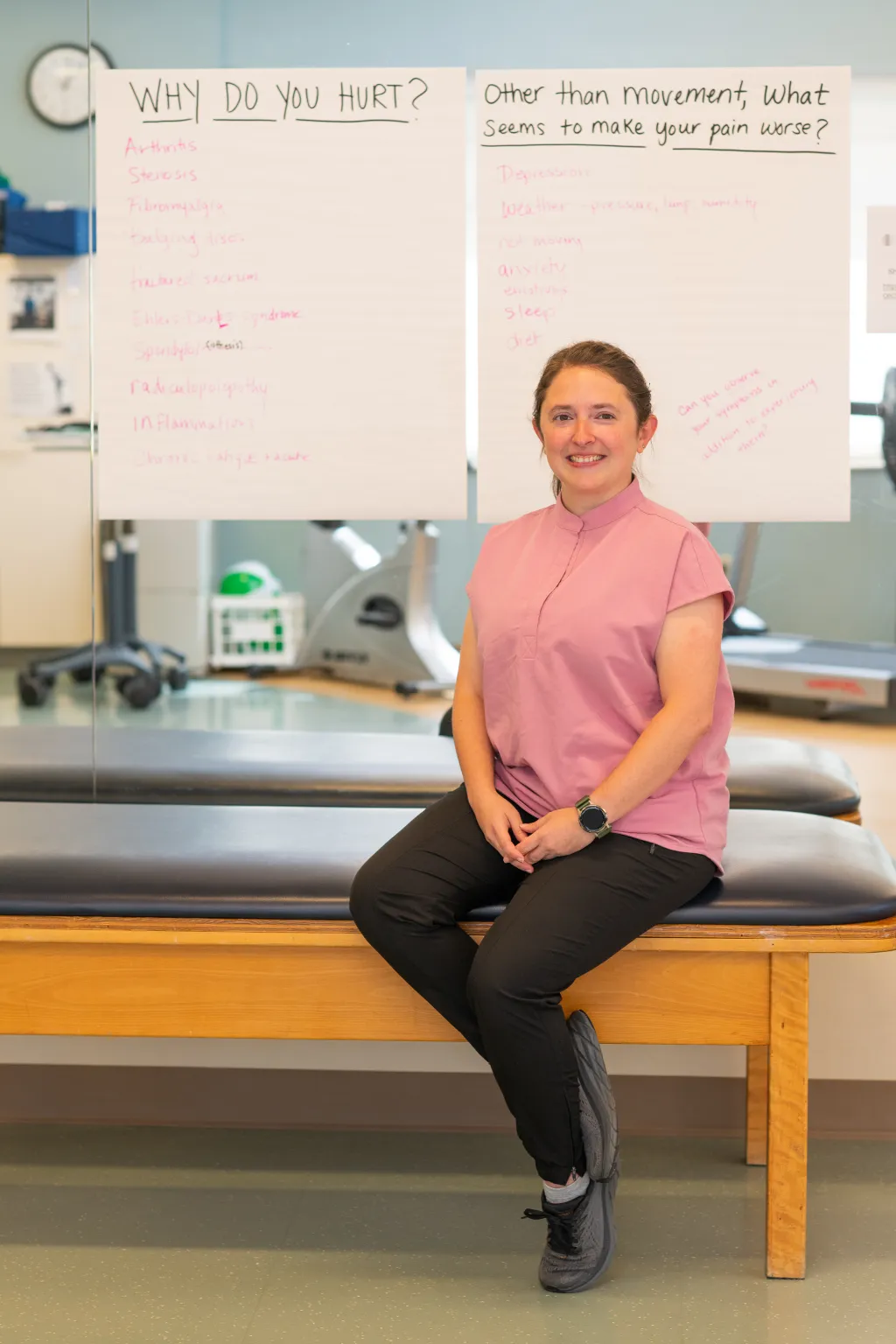
And when they’re back in the world, returning to activities for the benefit of themselves and their families, Franceschelli will have played a part in that success, while bringing the next group of patients to the table — or gym — to get them there.
She said her time at UNE was foundational to her work.
“It’s never going to be just one profession that makes everything better,” she said. “It’s a team effort.”