

An Athlete’s Journey to Interprofessional Care
by Vashti Etienne (D.P.T., ’27)
My journey started on the soccer field.
As an undergraduate student-athlete, I was surrounded by teammates from different academic backgrounds — nursing, psychology, pre-med, and athletic training. We came together not only to win games, but also to build trust, adapt to one another’s strengths and weaknesses, and solve problems as a unit.
While our focus was athletic performance, we were constantly learning from each other. Each student brought a different way of thinking to the team, and we often shared perspectives on injury prevention, stress management, and nutrition.
I was experiencing the importance of communication and shared goals firsthand. It was early exposure to teamwork that planted the seeds of the lesson that rarely the product of individual effort, whether on the field or in life.
This early lesson on the soccer field laid the groundwork for my appreciation of interprofessional work in a health care setting.
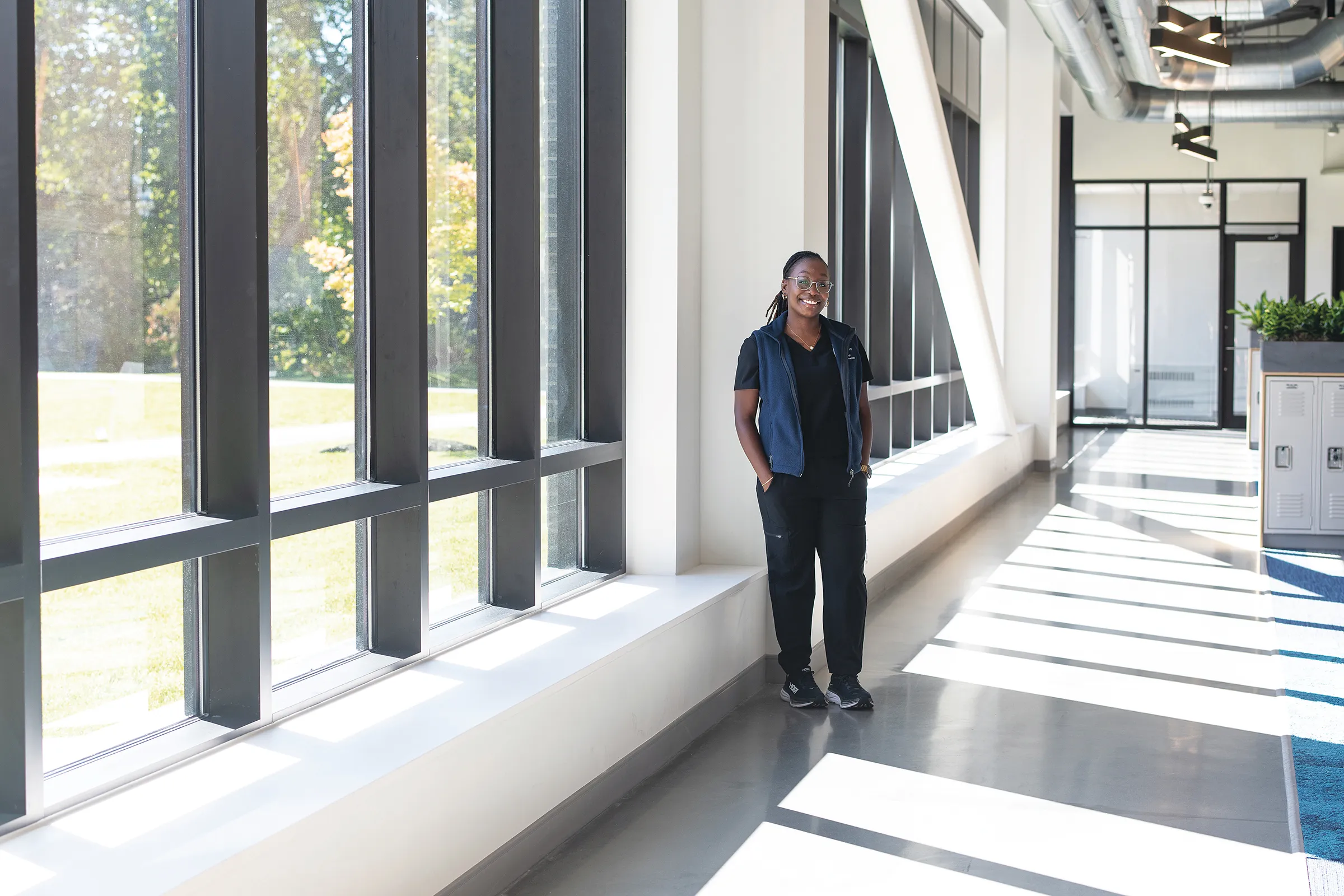
From my very first semester of graduate school at UNE, I was introduced to interprofessional services, and I began working alongside students in dentistry, pharmacy, occupational therapy, medicine, and nursing.
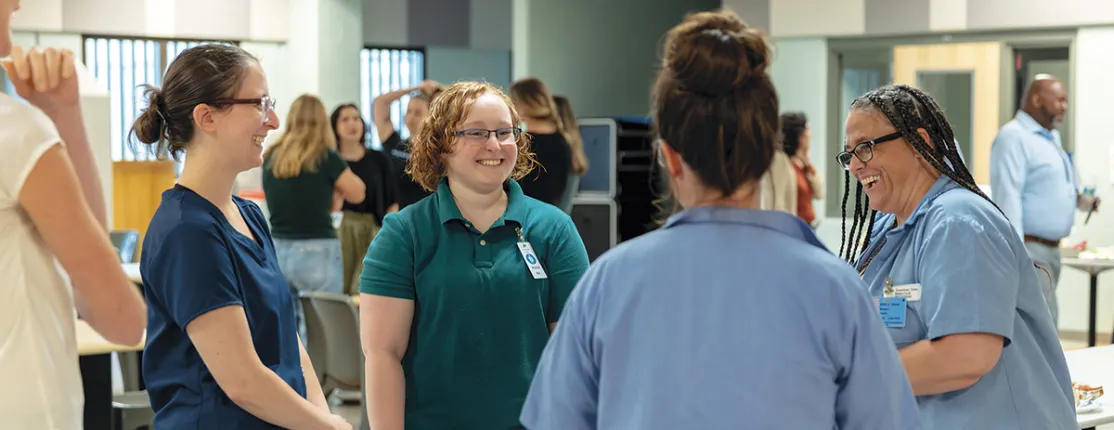
One of the most eye-opening experiences was participating in a tour of a Maine Department of Corrections (MDOC) correctional facility and engaging in discussions with incarcerated residents. This service-learning opportunity exposed me to the structural and systemic barriers that many face when seeking health care.
The residents shared their experiences about interacting with interprofessional health care providers and emphasized the importance of future providers working together to meet patient needs and develop cohesive treatment plans. Their thoughts and insights gave me a strong foundation for understanding what patients value in their care.
As part of an interprofessional group, we were encouraged to reflect on our own biases, discuss the roles we each play in these systems, and brainstorm how collaborative care can be extended to marginalized communities. While we weren’t collaborating to win a soccer match, we were working across health profession fields to learn how to serve patients and communities with comprehensive, compassionate, and coordinated care. It validated to me that working as a team is essential for achieving meaningful outcomes.
As a Black woman in the health care profession, it is especially important to me that my future patients, particularly those of color, feel supported, seen, and confident that their care is in capable and compassionate hands. I will advocate for shared goal-setting and integrated care plans to ensure that every patient’s voice is heard and respected.
This commitment ties into my interest in pursuing a career in neurological care. I am particularly drawn to this field because patients with neurological conditions often feel ostracized, and it is our responsibility to make them feel comfortable and supported as they adapt to daily life. Their care typically requires ongoing management, interdisciplinary coordination, and patient education, which are areas where I believe interprofessional collaboration is especially crucial.
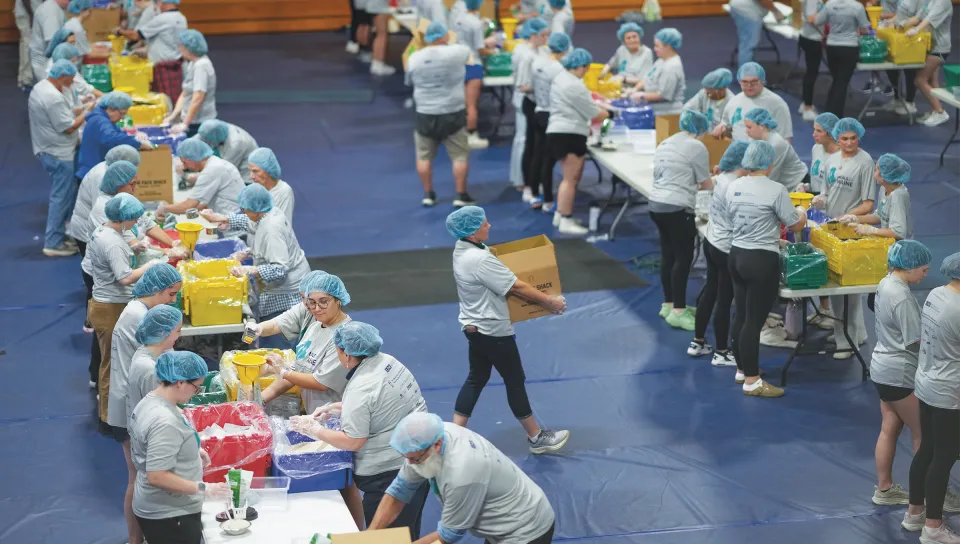
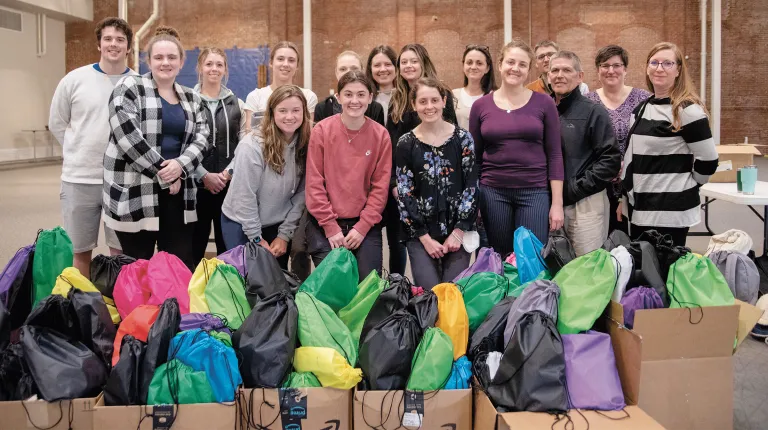
Another powerful interprofessional experience was the “Make It Take It” project, where UNE students across health professions assembled sandwiches and wrote notes to local, underserved communities. This hands-on project brought students together for a common cause. While it may seem like a simple task, the impact was found in the conversations and planning behind the scenes. This event opened our eyes to various systemic barriers, such as those experienced by residents at MDOC, and highlighted our opportunity to help those in need.
The “Make It Take It” project emphasized the importance of shared leadership and responsibility. It also showcased how different professional perspectives complement one another.
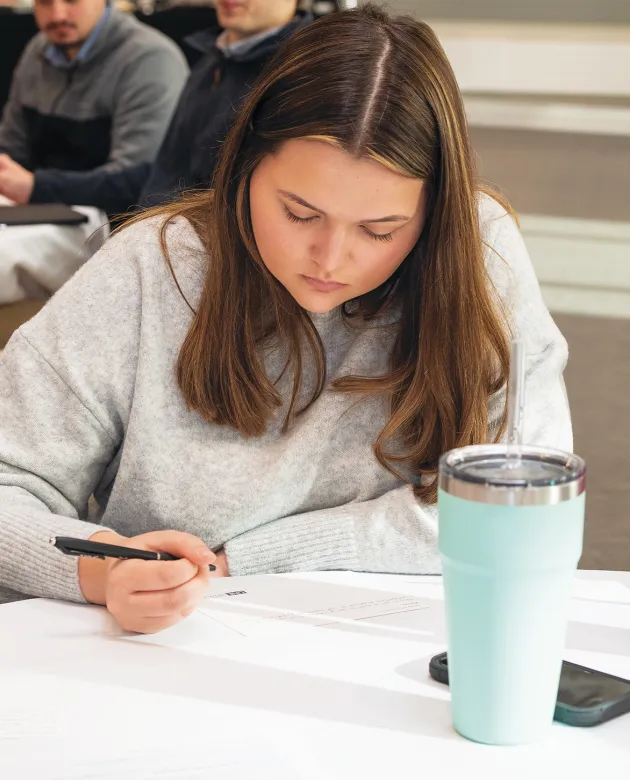
We learned more about each profession’s role during the Interprofessional Collaboration Across Campus Participation. This experience was a requirement for our clinical education course and was designed to broaden our understanding of each profession’s role. For instance, pharmacy students helped determine what over-the-counter items would be most effective and safe. In contrast, occupational therapy students shared ideas about accessibility and function, and we, as student physical therapists, contributed our knowledge of movement education and management strategies.
This experience helped all of us gain a deeper understanding of one another’s scope of practice, which is critical knowledge for delivering cohesive patient care in the future.
Looking ahead, I plan to carry this collaborative spirit into my future clinical practice. Whether I’m part of an inpatient rehabilitation team or working in an outpatient neurological clinic, I want to ensure that interprofessional collaboration remains central to my approach to patient care, as it plays a vital role in achieving positive patient outcomes. Most importantly, I’ll continue to reflect on the values I’ve learned as a student: communication, respect, adaptability, and teamwork. My journey through interprofessional work has ultimately been rich and transformative.
From the soccer field to the classroom, and through real-world service learning, I have come to deeply appreciate the power of working across disciplines. These experiences have taught me that interprofessional work is not just a box to check in school, but also a mindset and a lifelong practice. It has also shaped me into a more thoughtful, inclusive, and practical future physical therapist.
I am excited to continue growing within interprofessional teams and to help build a health care system where collaboration is not the exception but the norm.