
Is Trump a Strongman President, and Can Our Democracy Endure?
When fundamental questions about power and democracy demand exploration, the University of New England, as an institution of higher learning, embraces its responsibility to encourage open, civil conversations for rigorous examination.
Through thoughtful dialogue that bridges ideological divides, the President’s Forum continues to demonstrate how respectful engagement with complex issues can deepen understanding. This semester’s installment of President James Herbert’s signature series brought together leading scholars to examine executive authority and democratic resilience in contemporary America.
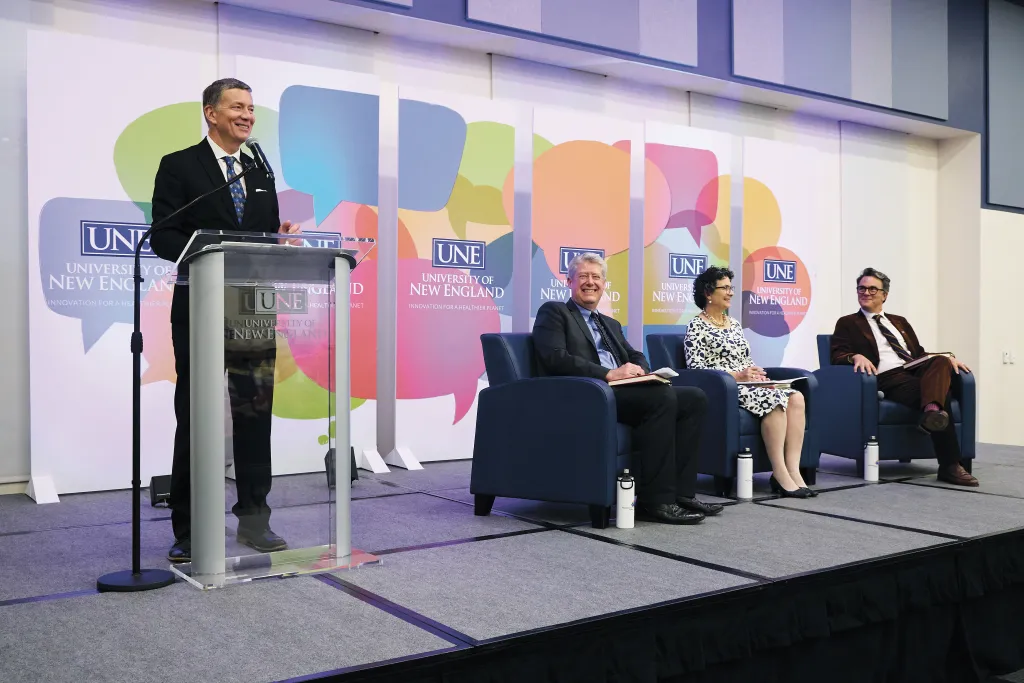
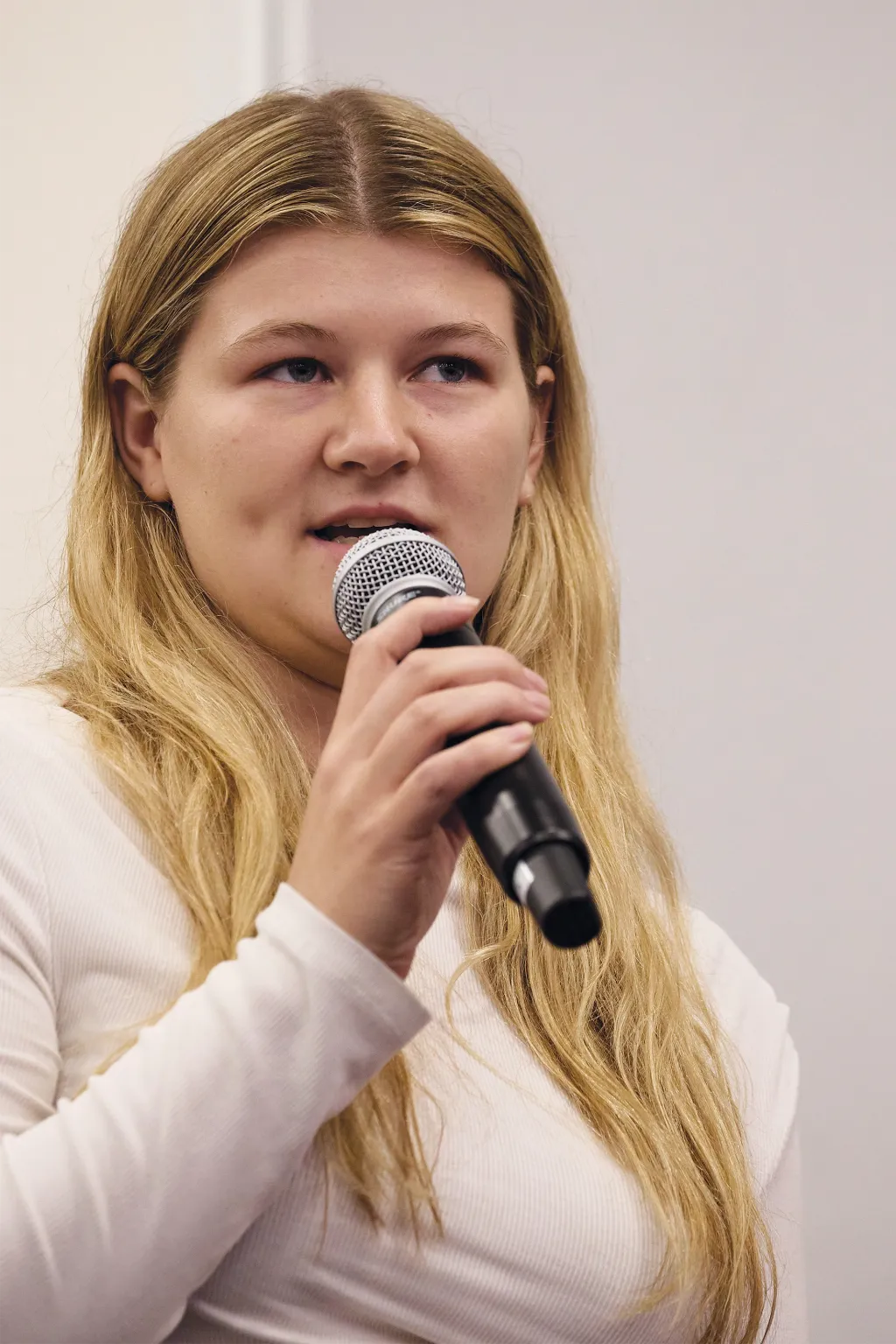
In October, the President’s Forum invited two national experts to present “Is Trump a Strongman President, and Can Our Democracy Endure?” The event drew more than 300 attendees to the Harold Alfond Forum on UNE’s Biddeford Campus to consider whether Donald Trump’s presidency represents a lasting break from American democratic tradition and explore the implications of the so-called “strongman presidency” for the future of democratic governance.
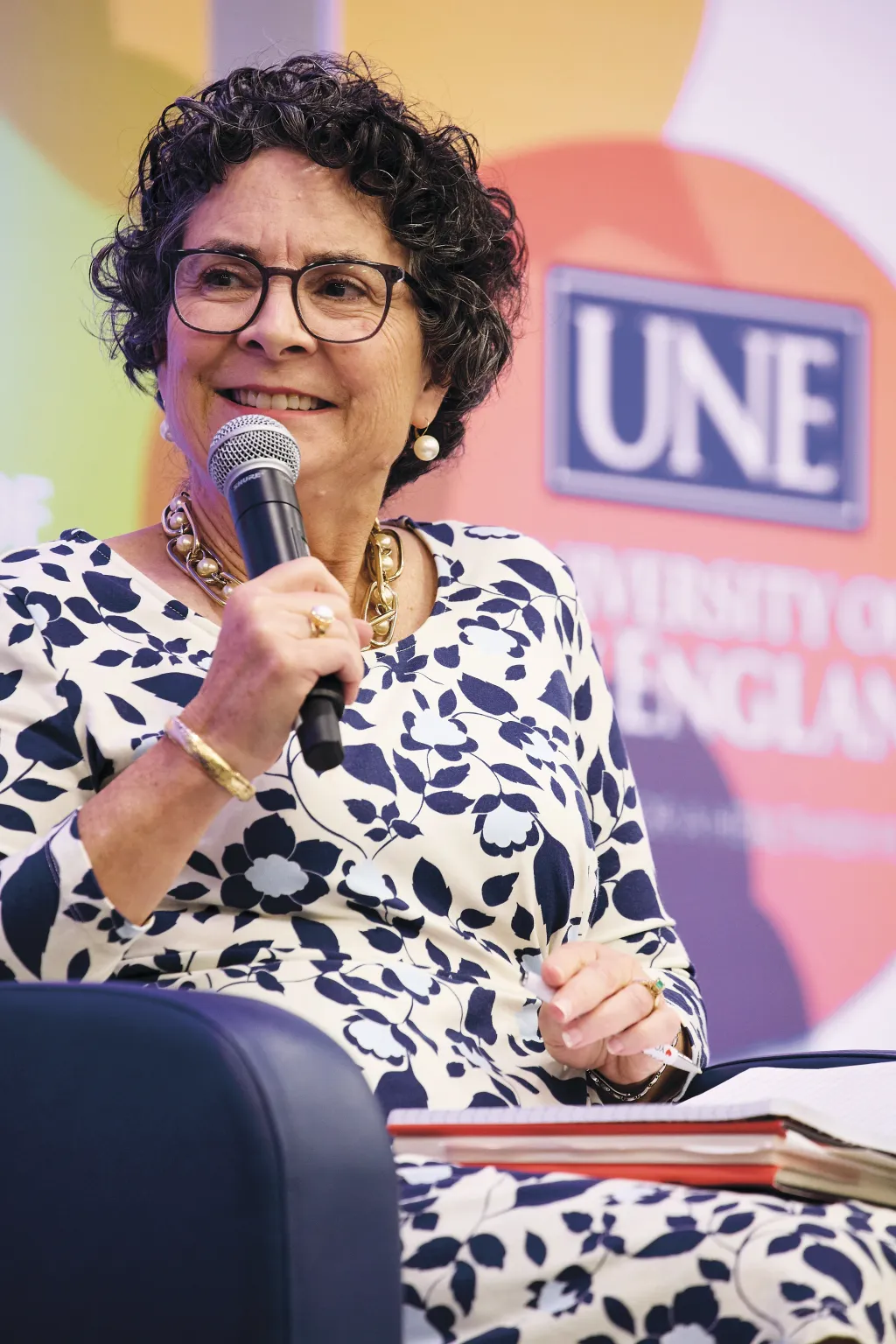
Panelists included William G. Howell, dean of the School of Government and Policy at Johns Hopkins University and co-author of Trajectory of Power: The Rise of the Strongman Presidency, and Andrew Rudalevige, Thomas Brackett Reed Professor of Government at Bowdoin College and author of By Executive Order: Bureaucratic Management and the Limits of Presidential Power. The event was moderated by Jeanne A.K. Hey, UNE dean emerita and CEO of Hey University.
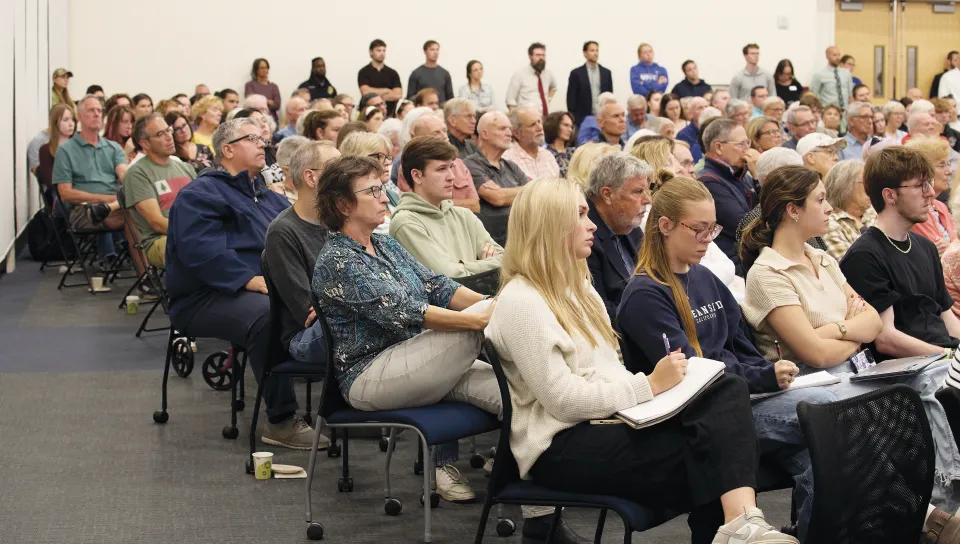
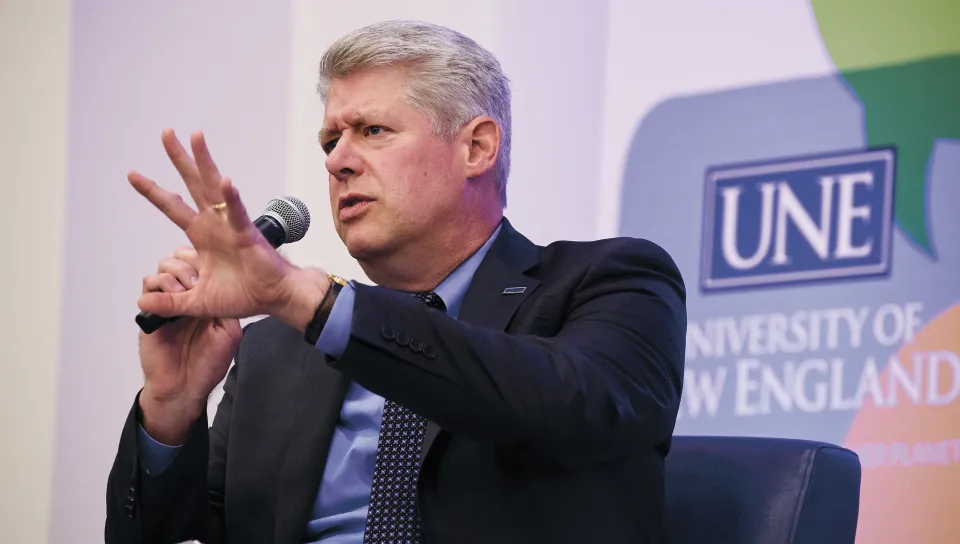
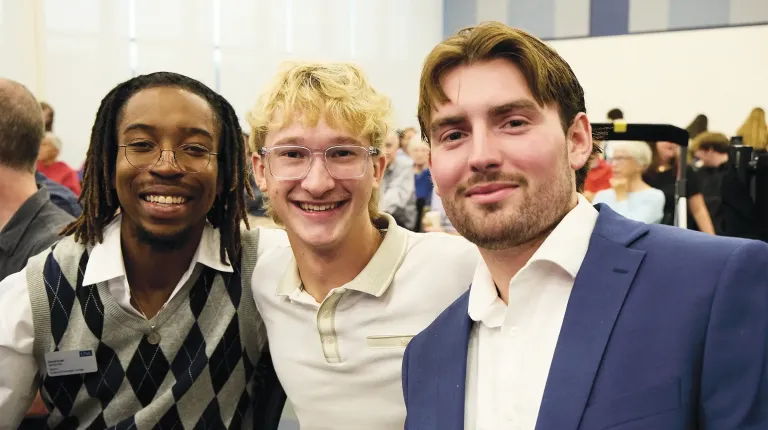
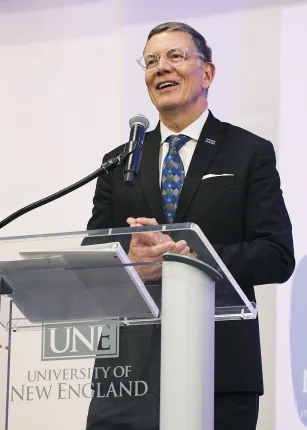
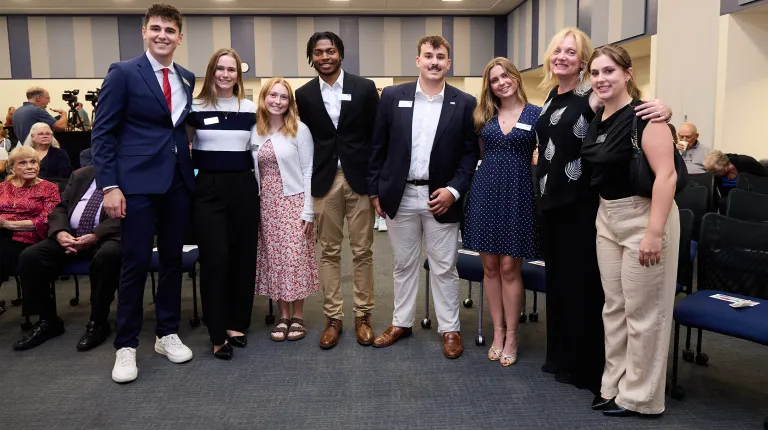
Underscoring the Academy’s role as the ultimate marketplace of ideas, the forum allowed for open and robust discourse, presenting diverse perspectives on executive power and democratic institutions in a respectful way.
“I’m grateful for conversations like this because structured, constructive, intellectual discourse about a topic that is grounded in evidence and reason is essential in a healthy community,” said Shannon Zlotkowski, M.S., assistant provost for Community and Belonging at UNE. “We all need reminders about how to confidently and humbly engage in difficult topics like the health of our democracy, even when the topic feels tenuous and/or risky.”
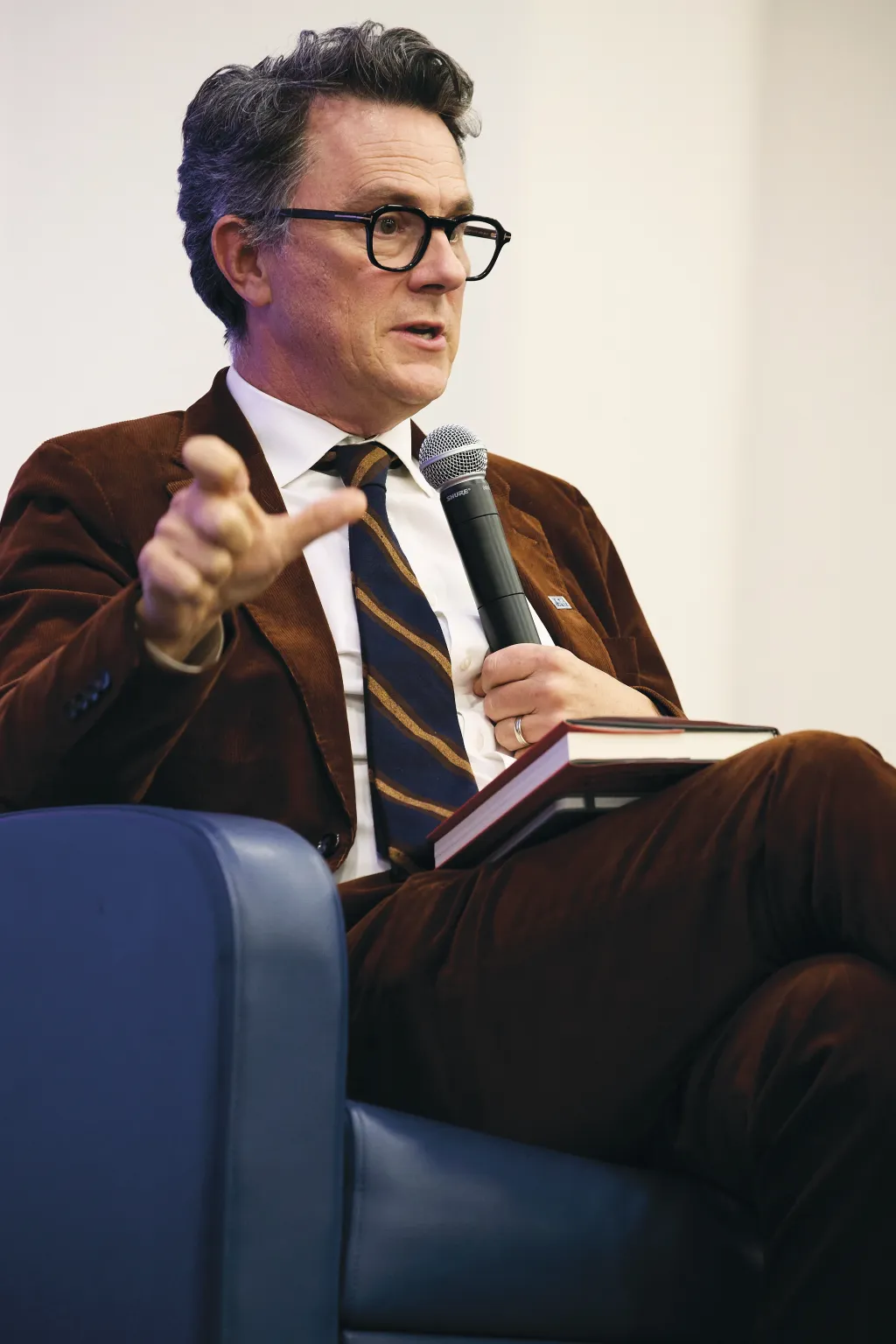
Zlotkowski was one of three recipients of UNE’s 2025 Award for Constructive Discourse for her efforts to foster inclusivity in all its forms across the University. Faculty recipients of the award were Kenneth Courtney, Ph.D., from the School of Social and Behavioral Sciences, and John Waterman, Ph.D., from the School of Arts and Humanities, who jointly developed and taught a course for students from across the University’s undergraduate majors analyzing the 2024 U.S. presidential election.