
Building Bridges Across Silos Is Deeply Ingrained in UNE’s Culture
Dear Friends,
Walking across our campuses this fall, I’ve been struck by moments that capture something truly admirable about who we are as a community.
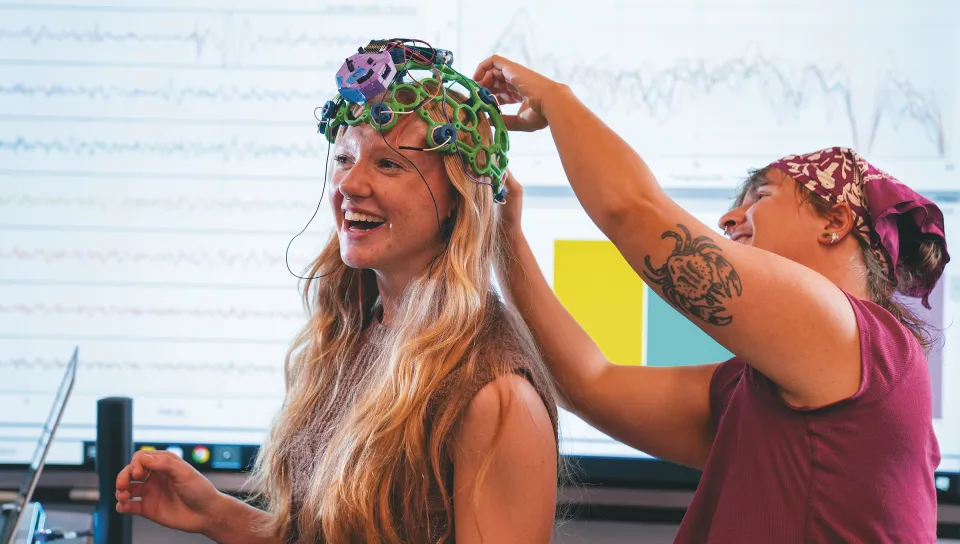
In our classrooms, in our labs, in the P.D. Merrill Makerspace, and in the Interprofessional Simulation and Innovation Center, I’ve seen students and faculty from various academic backgrounds and programs working together.
In the Arthur P. Girard Marine Science Center, there is a marine biology student working with mathematics faculty to deploy data from buoys and develop numerical models that predict how our coastal waters and shorelines will change in the coming years. Across campus in Decary Hall, the SeaMade Bar project tells its own story: Students and faculty experts from disciplines as diverse as nutrition, marine science, and business are turning campus-grown kelp into a sustainable nutrition bar that could transform how we think about ocean-to-table food systems.
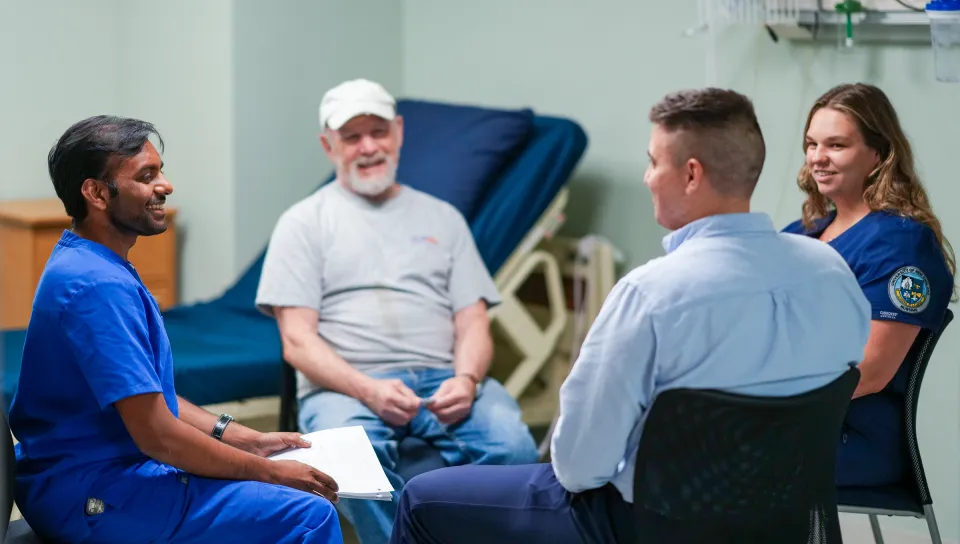
And up the coastline in Portland, on what is the first-of-its-kind campus in New England dedicated to interprofessional health care education, there’s something powerful about seeing our students learning vital signs and clinical assessment side by side, building the collaborative instincts they’ll need long before they step into their first clinical rotations.
If you’ve spent any time on our campuses, you know that these stories aren’t unusual at UNE. Building bridges across silos is deeply ingrained in our culture. This is the theme of the 2025 edition of the UNE Magazine, where we explore a topic as timely as it is vital: the transformative power of interdisciplinary collaboration.
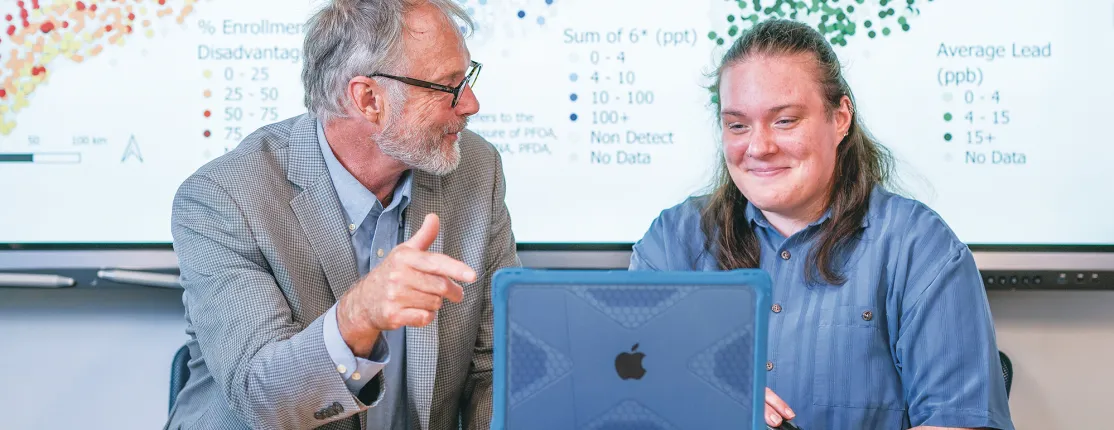
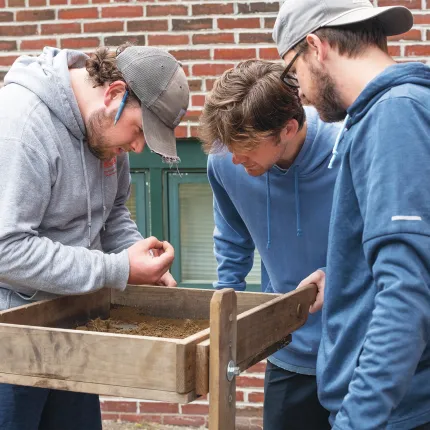
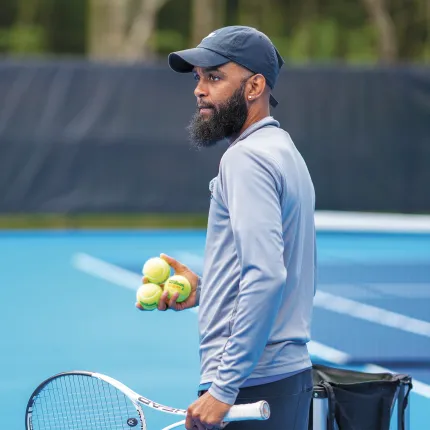
At UNE, the most impactful discoveries and innovations — whether in health care, scientific research, business, education, the humanities, or public policy — emerge from spaces where disciplines intersect. Many of you have likely experienced this in your own careers: those breakthrough moments when someone from a different field shares a perspective that changes everything. I know I have, both in my days as a professor and subsequently as a university administrator. And given the rapidly changing and complex world we live in, such collaboration across boundaries has never been more essential to addressing the world’s most pressing challenges.
UNE students learn to generate creative solutions that would have been impossible without the insights and skills of collaborators from other disciplines. This isn’t just an educational philosophy for UNE; it’s become our competitive advantage and a part of our institutional DNA.
The future of work will be more interconnected than ever, and UNE students will be ready.
Because traditional academic structures tend to reinforce disciplinary silos, breaking through them requires intentionality, persistence, and a shared vision. Realizing true interdisciplinarity is just one way that UNE stands apart from its peers. It is also one of many ways our vibrant University cultivates an ethic of holistic, future-forward thinking and critical, boundary-breaking habits of mind within our students as they set out to make their marks on the world.
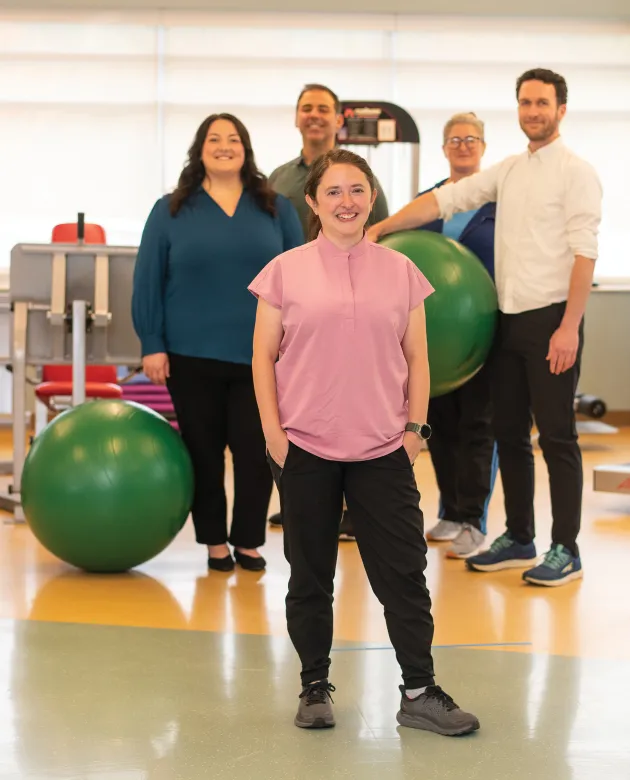
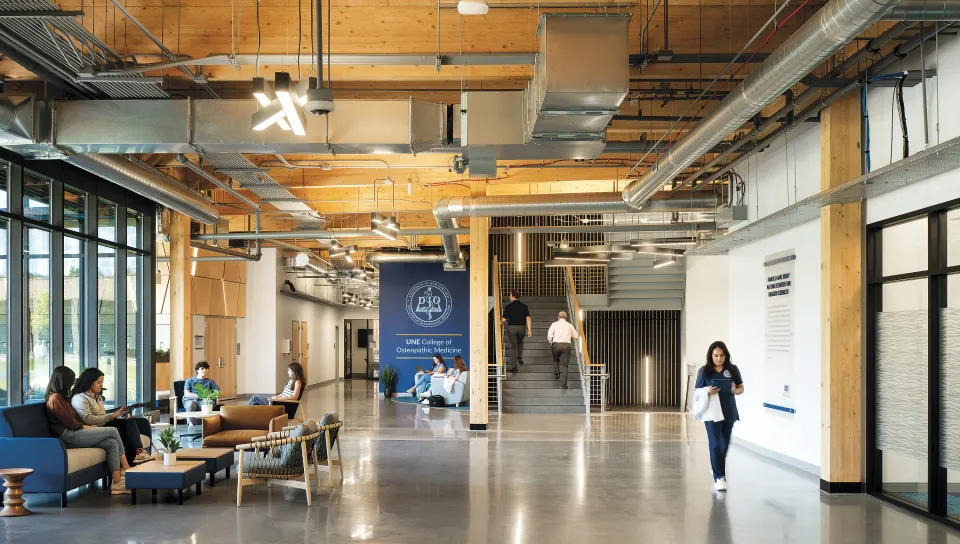
In this issue, you’ll see how we’re turning this vision into reality. From implementing cross-disciplinary curricular initiatives to creating hands-on, shared learning spaces on our campuses to providing diverse experiential learning opportunities where students work alongside professionals from various fields, we are fostering a culture in which cross-disciplinary collaborative thinking is not merely encouraged, it is expected.
Thank you for being part of our community and for joining us in realizing our mission of preparing students for our ever-evolving world. I hope you find this issue as inspiring as I have, and I invite you to take a stroll, as I often do, across our beautiful campuses to take joy in the wonder of what our students and faculty are building for the future.
Happy reading!
James D. Herbert, Ph.D.
President