

A Transformative Moment for UNE
A Transformative Moment for Maine Health Care
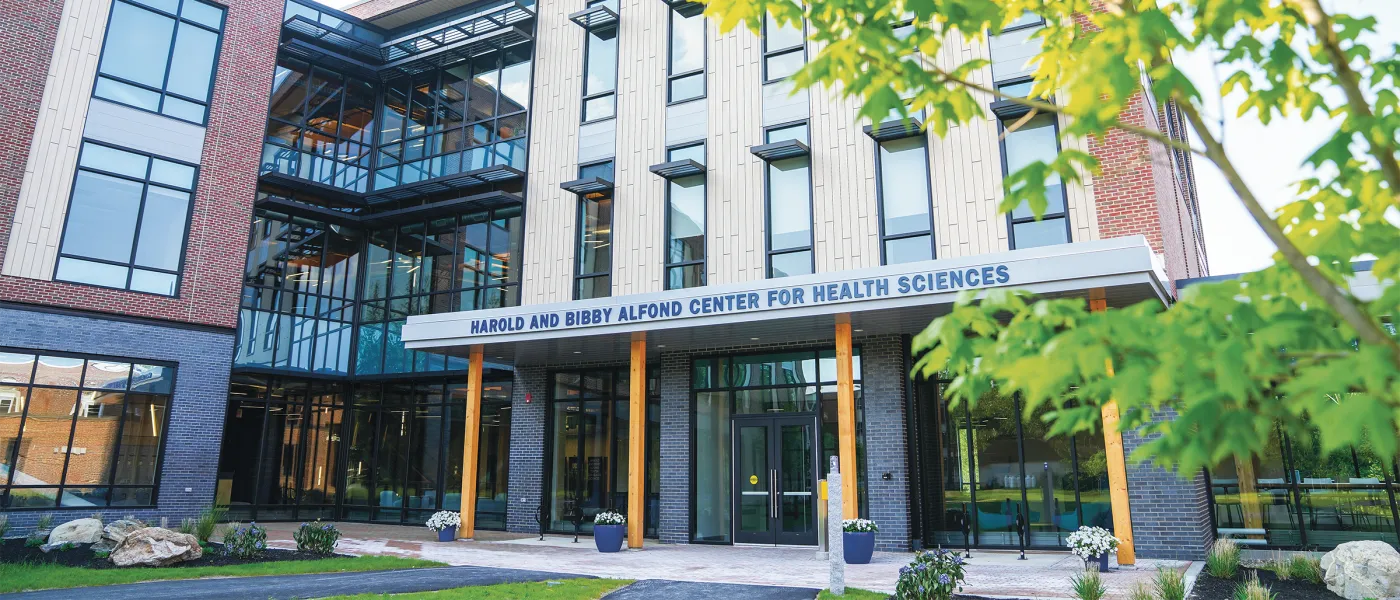
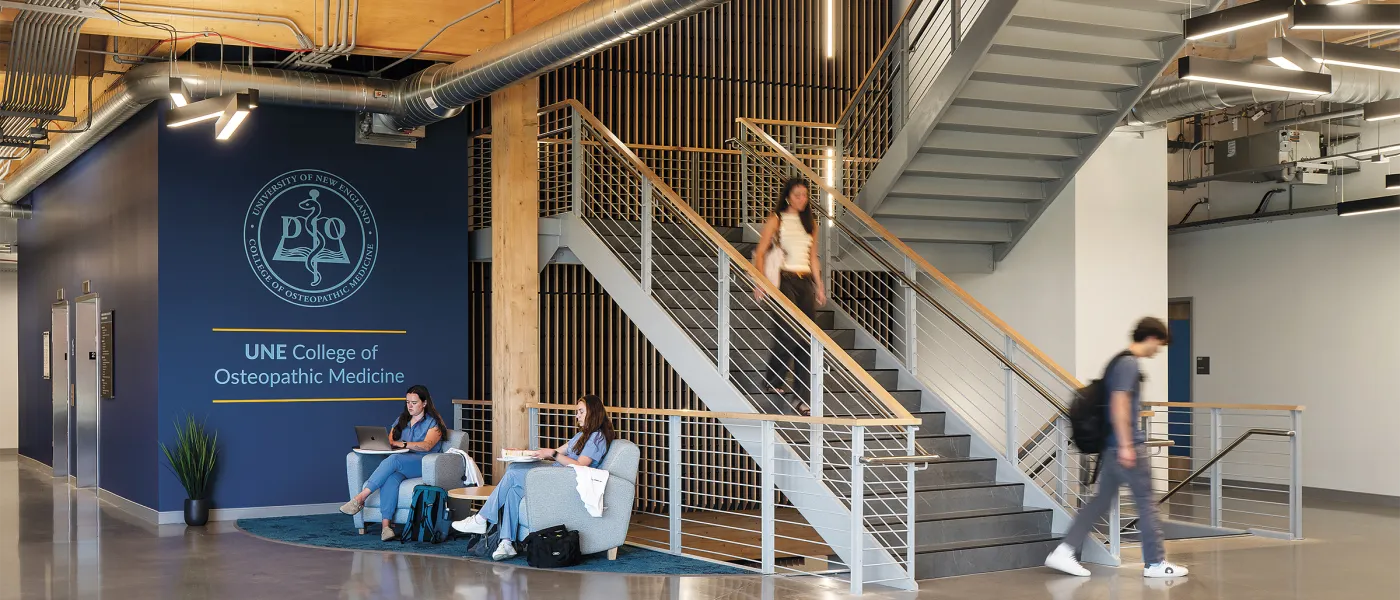
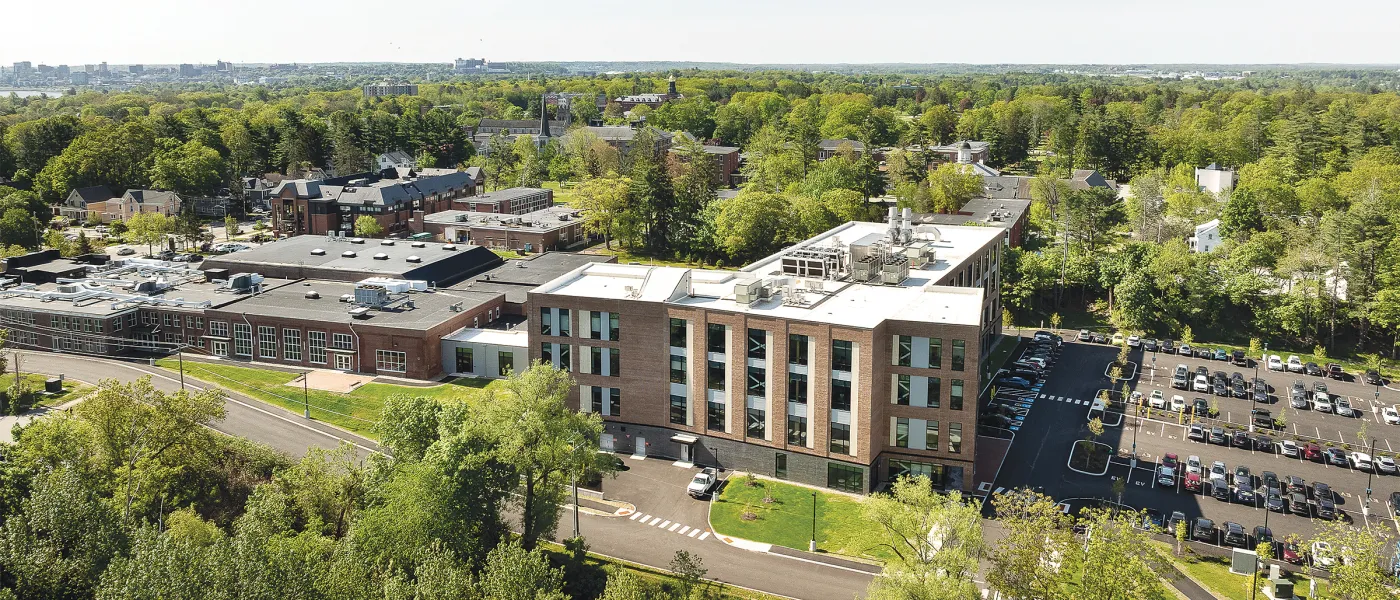
The University of New England officially opened the Harold and Bibby Alfond Center for Health Sciences in Portland on June 3. The building, situated on UNE’s Portland Campus for the Health Sciences, marks a pivotal shift in how Maine prepares its future health care workforce by completing the relocation of the UNE College of Osteopathic Medicine to the heart of the state’s largest health care ecosystem.


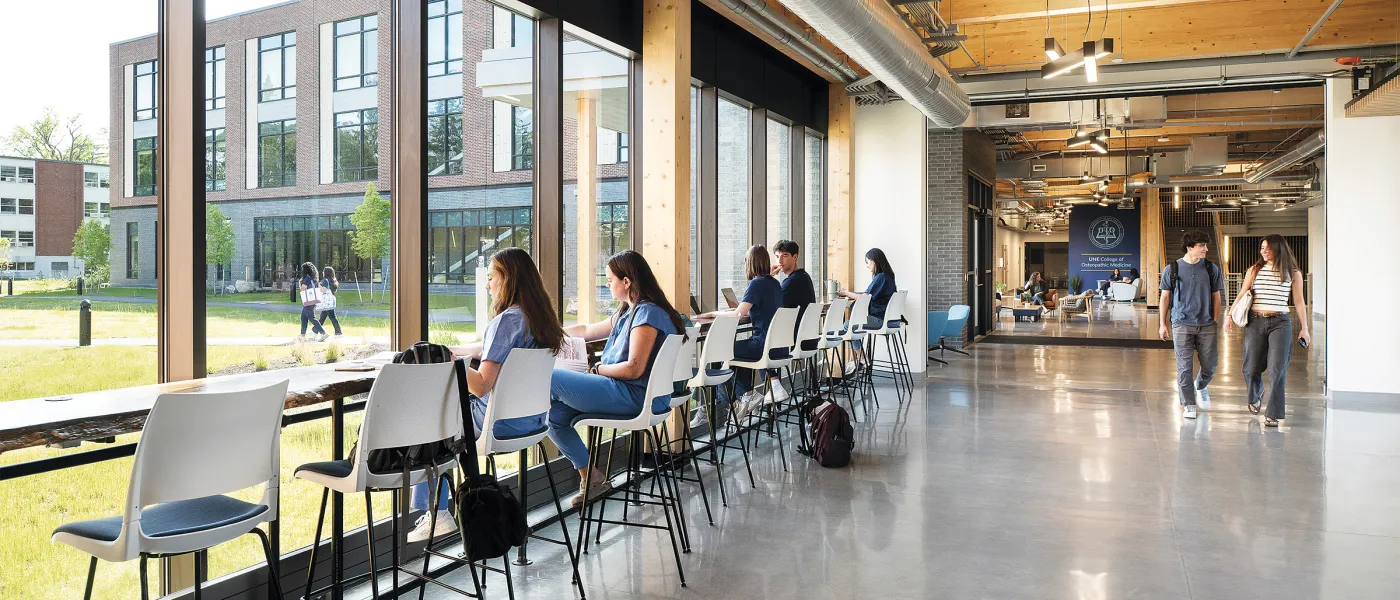

“Over the past two-plus decades, UNE has emerged as a unique institution essential to the health of our home state,” UNE President James Herbert said during the ribbon-cutting ceremony. “The impact of this facility will reach far beyond Portland to the entire state of Maine, increasing the number of doctors we can graduate each year when their expertise is desperately needed.”
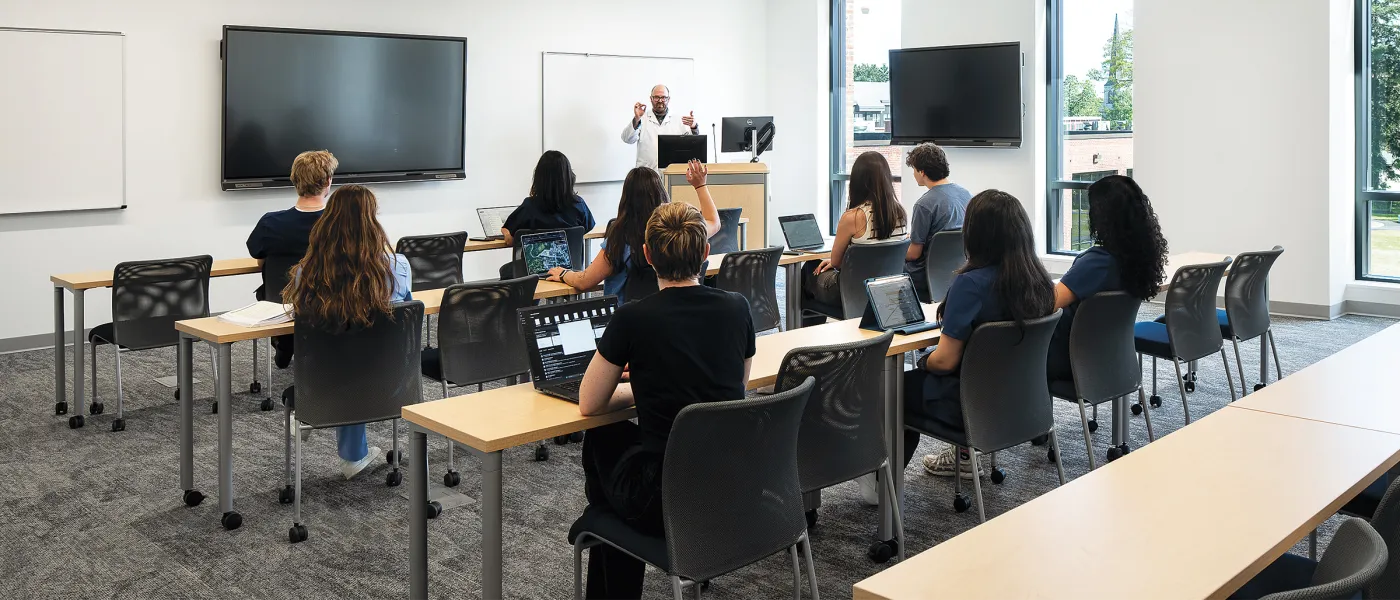
The 110,000-square-foot center enables a 21% increase in enrollment from 165 to 200 medical students per class while creating Maine’s only fully integrated health professions campus. The facility brings together UNE’s programs in medicine, dentistry, physician assistant, pharmacy, nursing, and allied health, fostering unprecedented collaboration across disciplines.

Students develop practical skills through food preparation and nutritional science application in the UNE Teaching Kitchen, a hands-on learning space in Decary Hall. The facility supports interdisciplinary collaboration.
“Health care is a team sport,” said College of Osteopathic Medicine Dean Jane Carreiro, D.O. ’88, who is also vice president of Health Affairs at UNE. “The more complicated your patients are, the bigger the team and the more people you have to communicate with.”
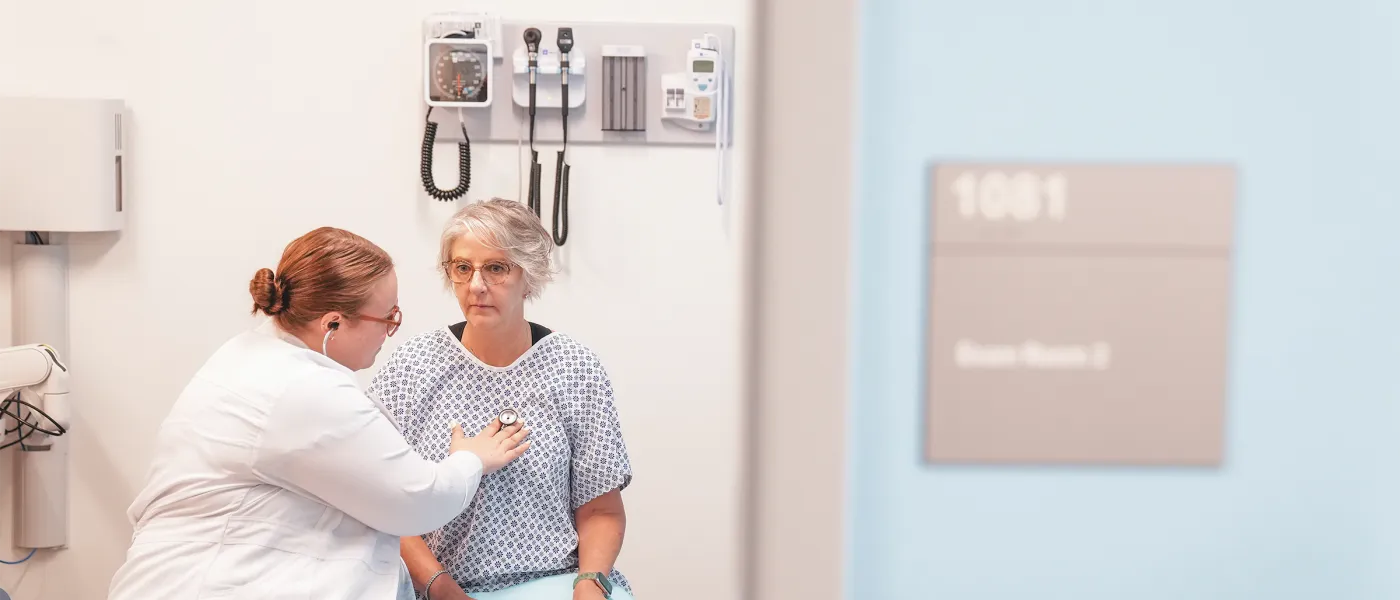
The building’s design intentionally breaks down traditional academic boundaries through shared clinical skills spaces, simulation labs, and donor labs that serve multiple programs. This collaborative approach prepares students for the realities of modern health care practice.
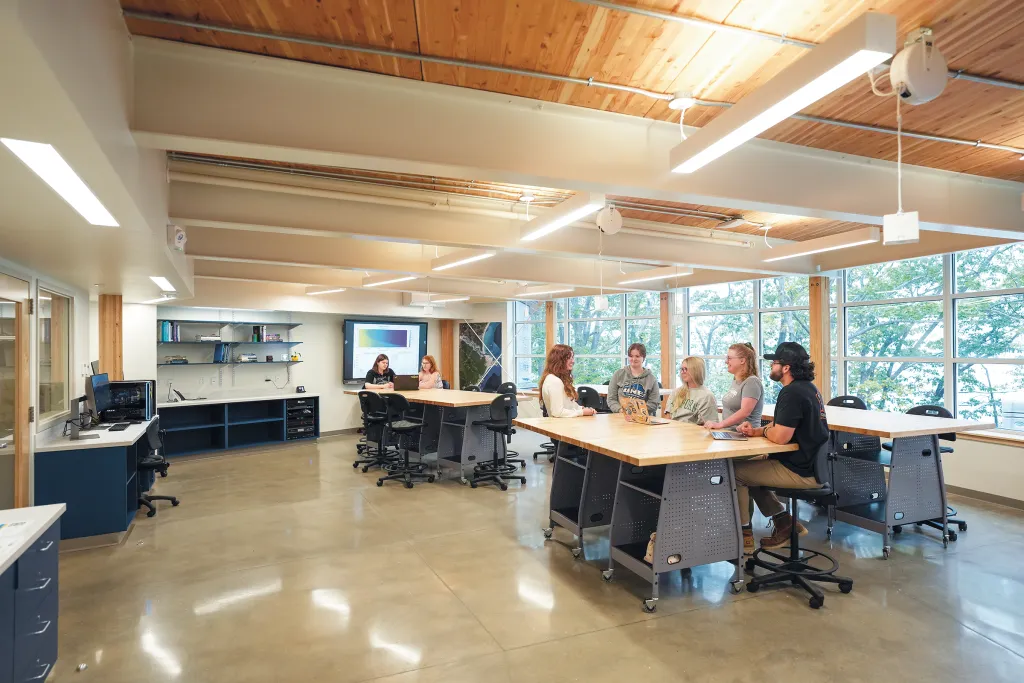
Students develop computational research skills through interdisciplinary projects in the Sustainable Innovation Center, a reimagined space for data-driven innovation. The facility supports collaborative work across programs, including research that applies data analytics to marine science and environmental studies.
UNE has established itself as Maine’s largest educator of health professionals, awarding over 16,000 health sciences degrees since 1995. With 35 additional doctors graduating annually, Maine’s critical physician shortage will be addressed through interprofessional collaboration from day one of students’ academic journey.
The transformational project was made possible through a $30 million gift from the Harold Alfond Foundation, a $5 million federal appropriation championed by Sen. Susan Collins, and private donations.
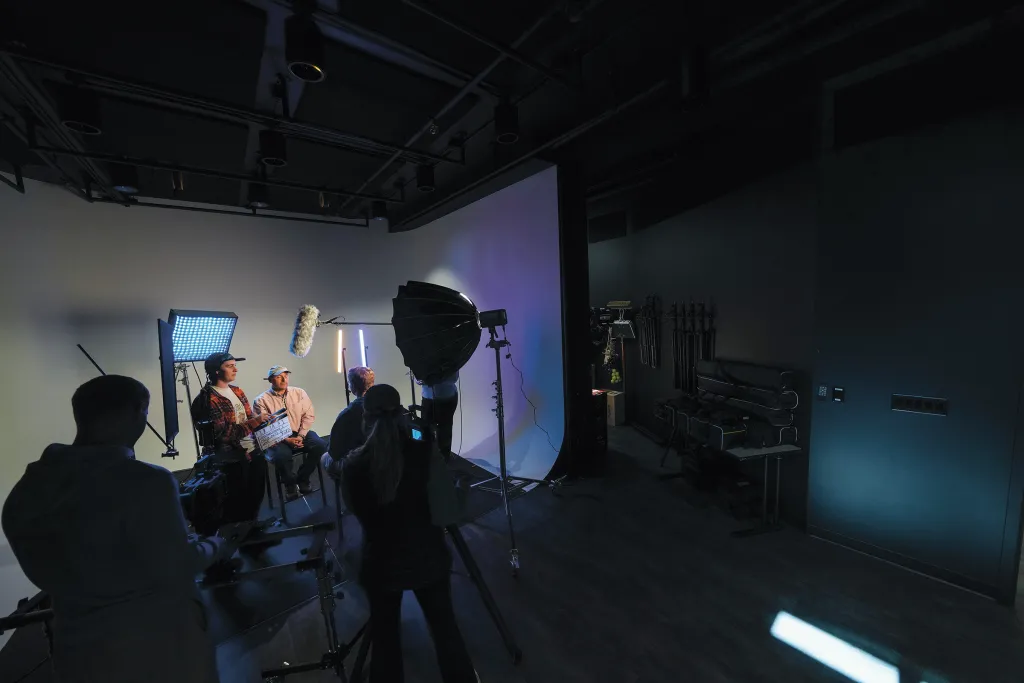
Students use the state-of-the-art video, lighting, and audio equipment in the new Nor’easter Production Studio, located in the lower level of Decary Hall on the Biddeford Campus, to create content that can support interdisciplinary storytelling across the University’s communications, media arts, health professions, marine science, and business programs.
Students’ Futures Take Shape
Walking across UNE’s campuses today, visitors can hear transformation taking place: the rhythmic hammering, the hum of machinery, and the voices of workers calling out to one another as they create and update the University’s learning spaces.
Both the Portland and Biddeford campuses are being redesigned to redefine how learning happens. Thanks to collaboration, innovation, and the seamless blending of different fields of study, these are more than renovations — they are reimagined environments where the UNE community will come together to develop the skills and knowledge to meet tomorrow’s challenges.
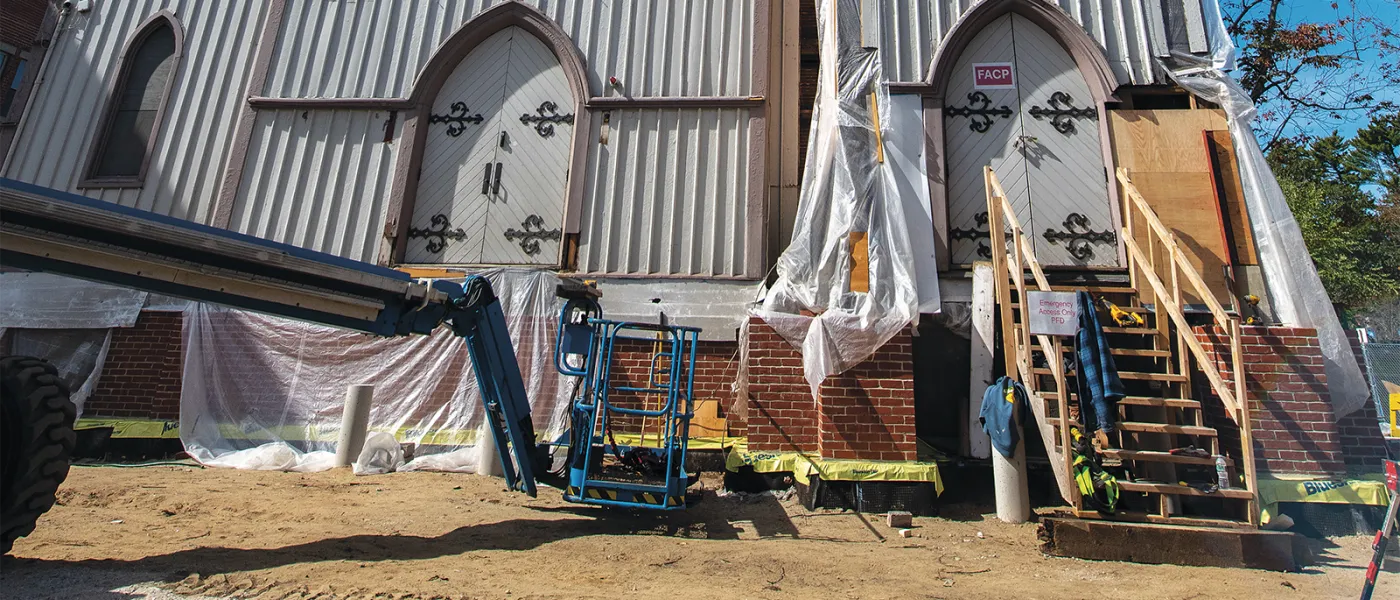
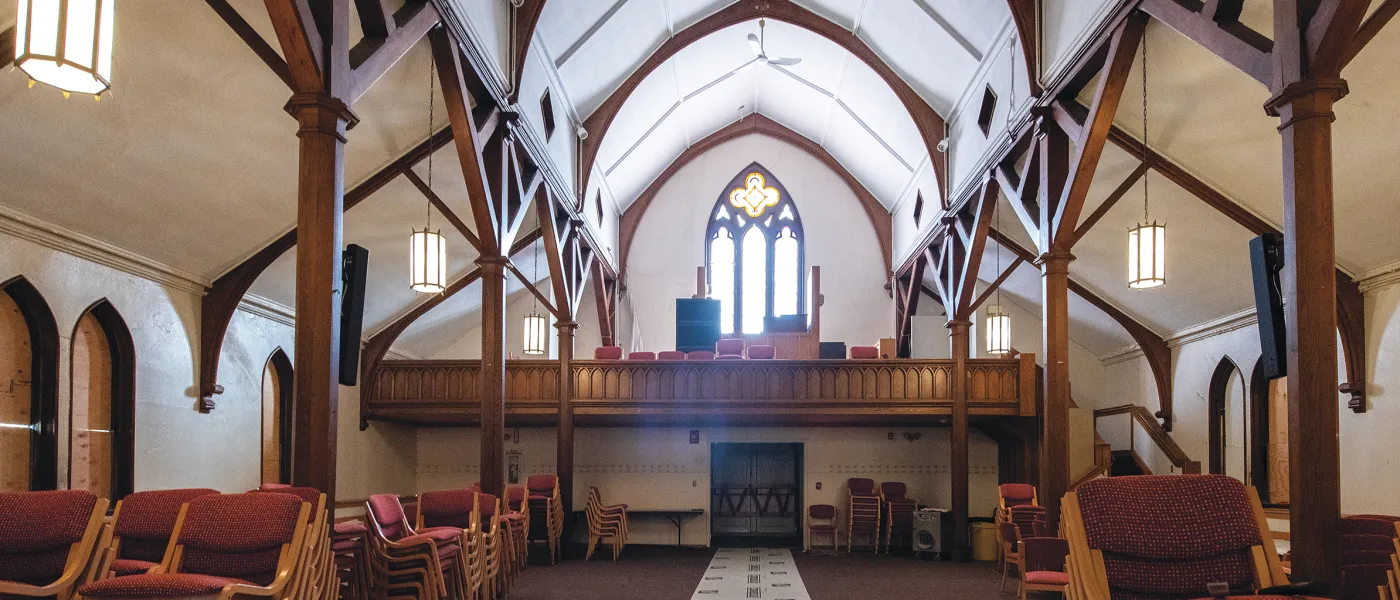
In Portland, historic buildings like the Ludcke Auditorium are being restored while gaining modern functionality as group study rooms for learning and collaboration, a campus store, a grab-and-go café, and flexible study and gathering areas. The infrastructure honors the legacy of education while creating vibrant spaces for connection and community.
With the College of Osteopathic Medicine’s move to Portland completed, the Biddeford Campus is experiencing its own renaissance as spaces are transformed to support new kinds of discovery and creativity. Cutting-edge facilities are taking shape that will house everything from advanced research labs to adaptive learning spaces designed for the interdisciplinary work that defines 21st-century education.

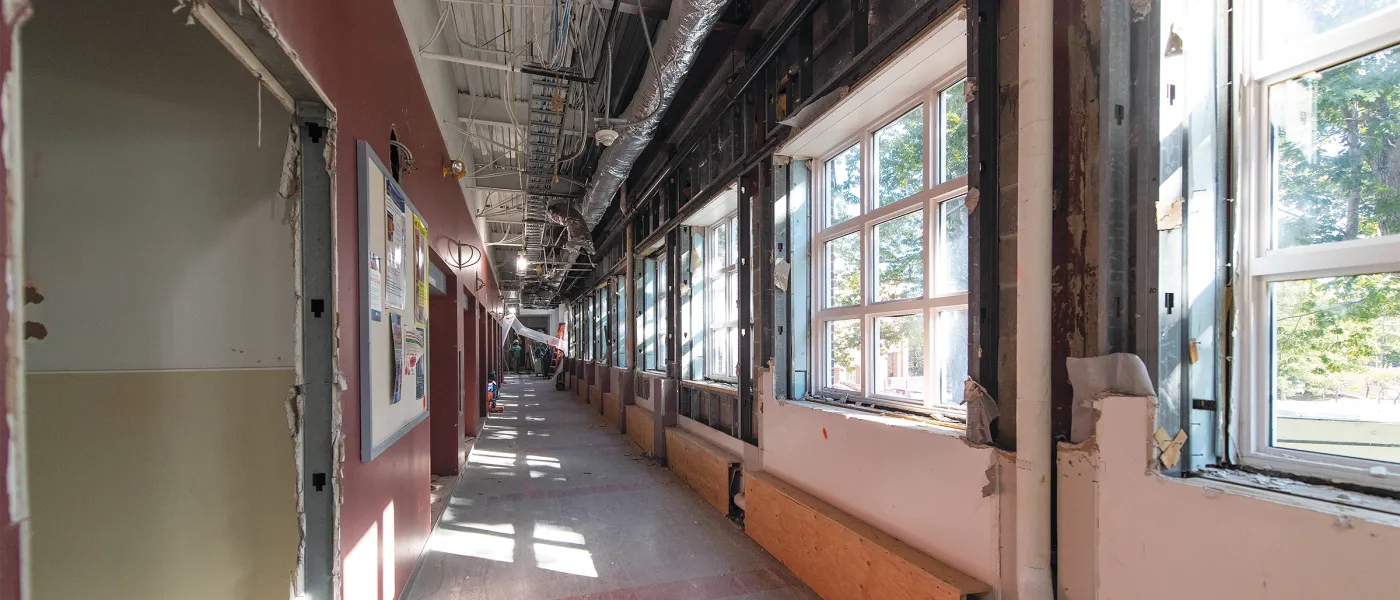

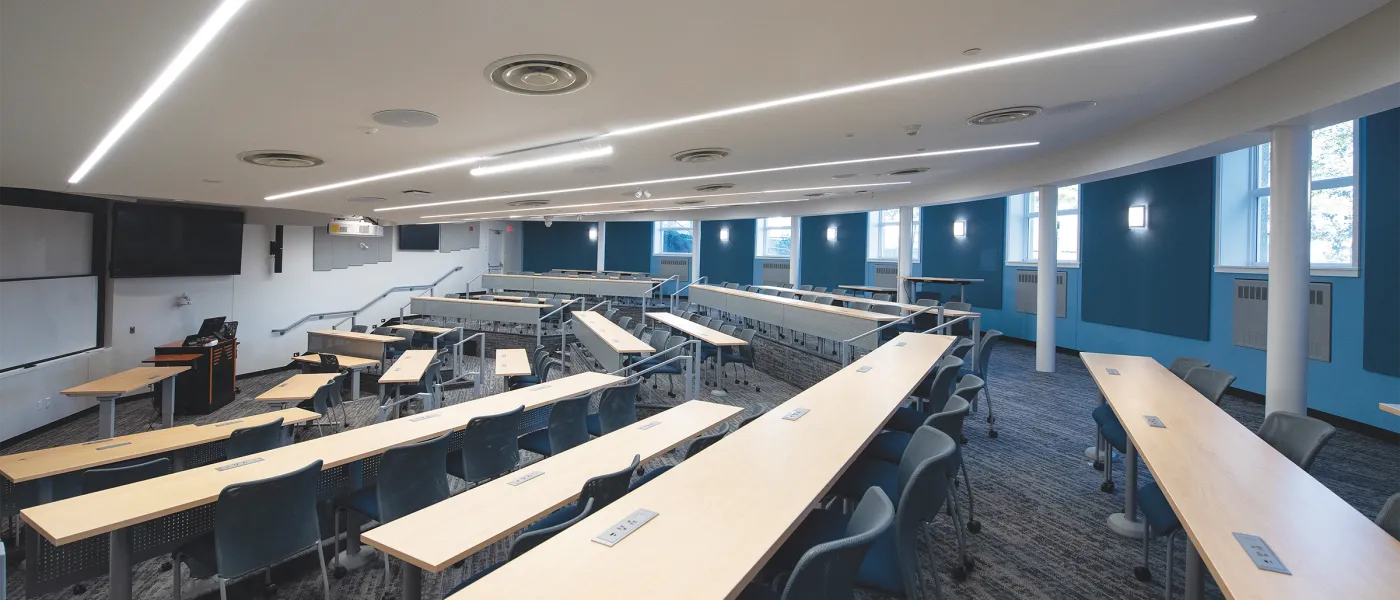

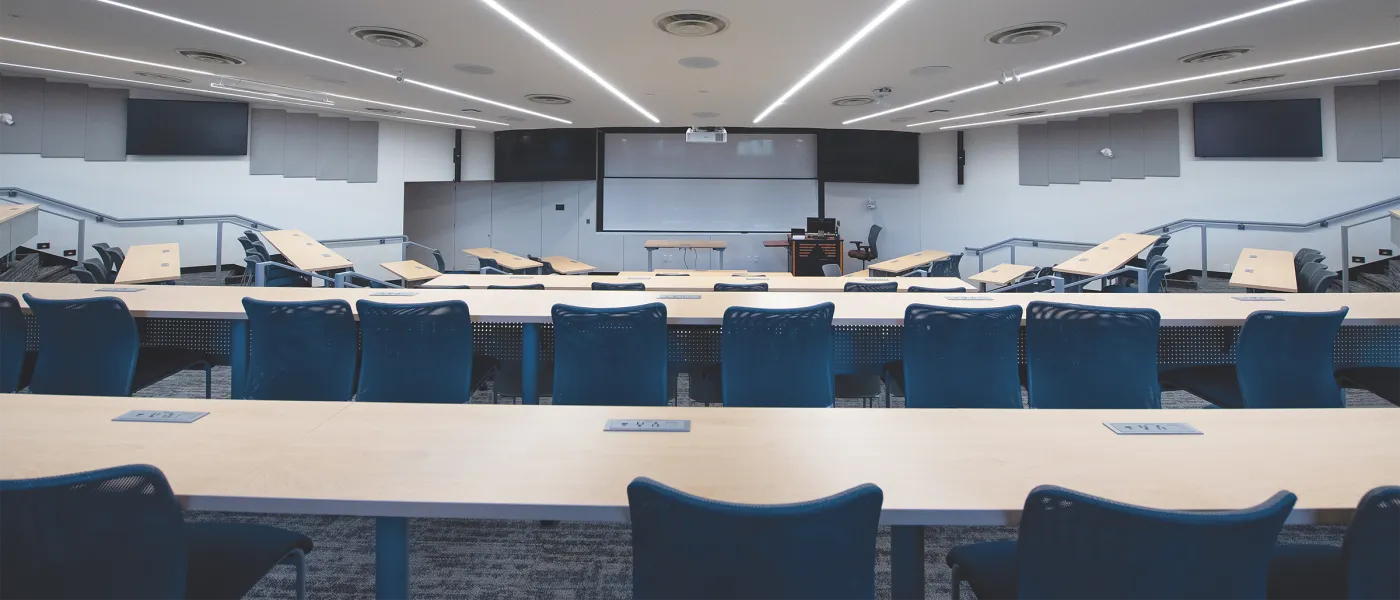
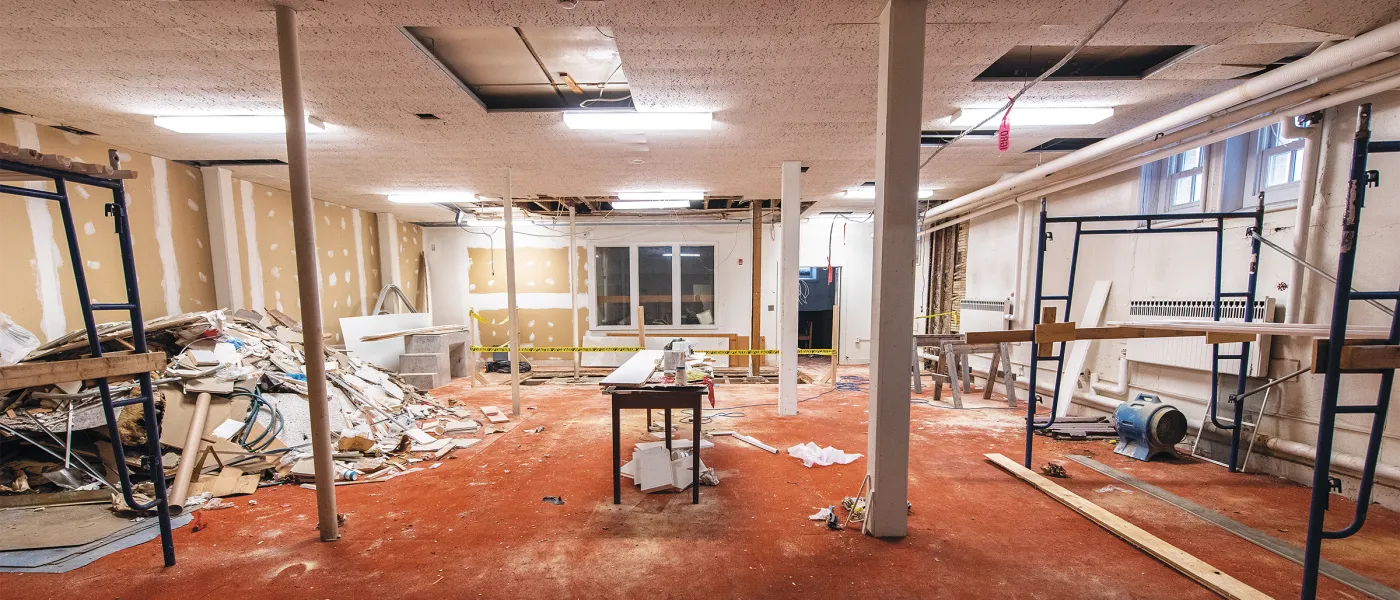
Ongoing upgrades to the Alfond Center for Arts and Sciences, formerly the Alfond Center for Health Sciences, will comprehensively reimagine the facility through 2027. In this transformation, lecture halls will become tiered classrooms for collaborative learning, spaces will transform into biomedical research and neuroscience labs, and new art studios and nursing skills labs will join upgraded chemistry and biology facilities.
Each space is being designed with the future in mind, anticipating how students will learn, collaborate, and contribute to their communities. Whether it’s a teaching kitchen where culinary arts meets nutrition science and business incubation or a sustainability center where environmental studies connects with entrepreneurial innovation, these spaces embody UNE’s belief that the future belongs to those who can work across disciplines.
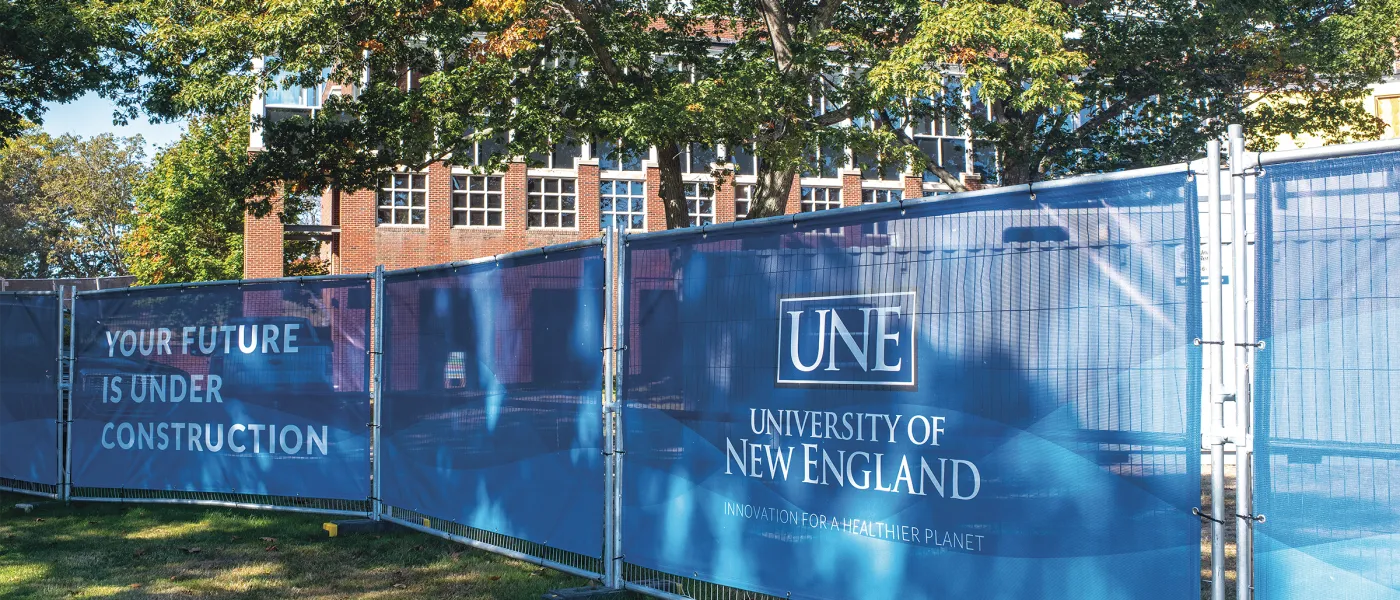
Today, the future of education — and UNE — is under construction for tomorrow’s leaders and innovators.